The Execution of Mary, Queen of Scots
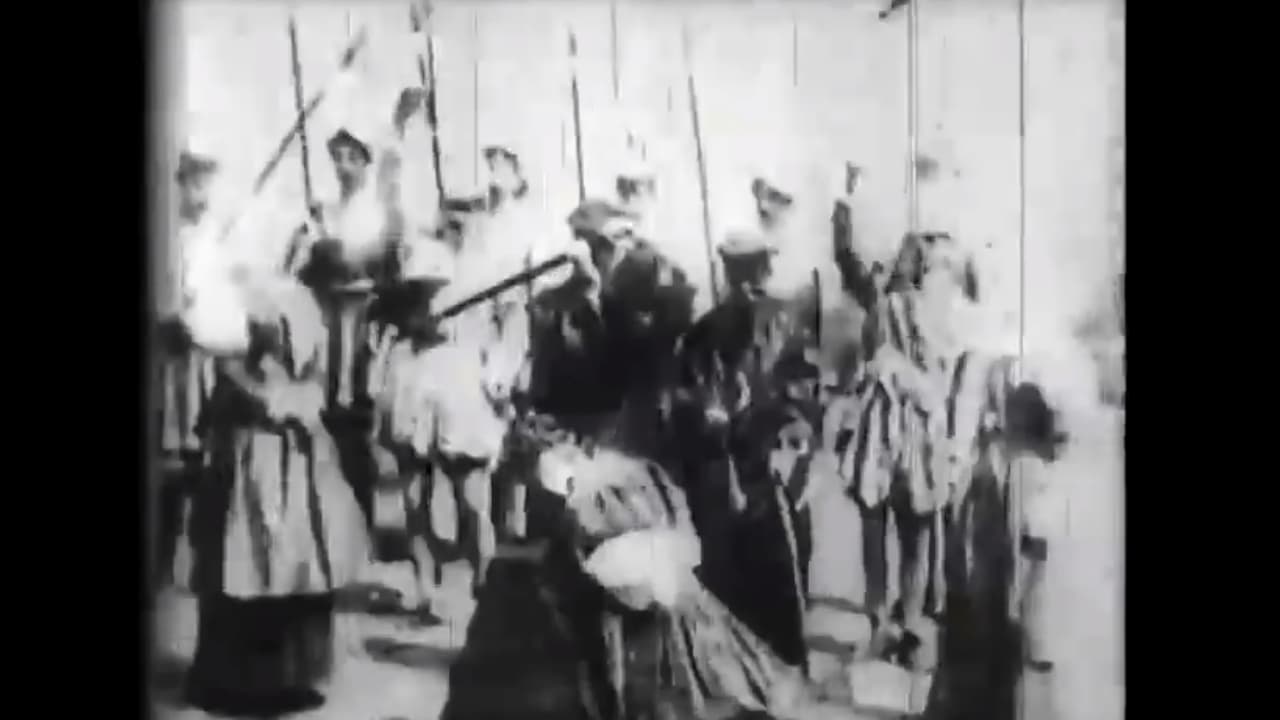
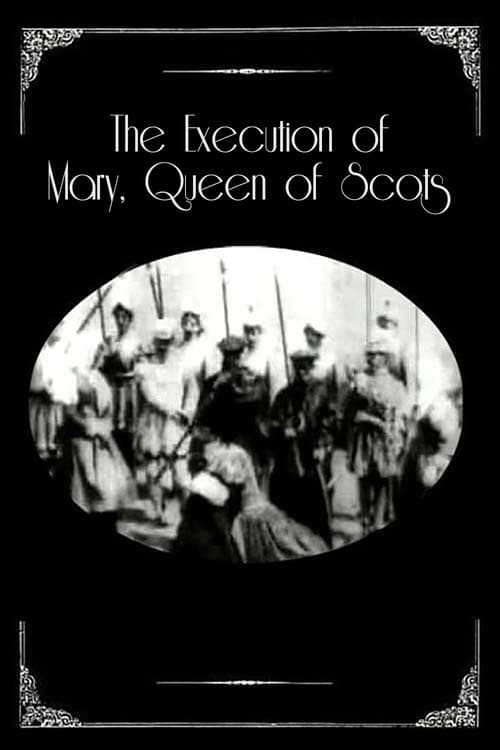
On screen a brief slice of history unfolds as Mary, Queen of Scots, is led toward the execution block. She kneels, neck resting over the wooden block, while an axe is raised toward her. The frame cuts away before the blow, a deliberate effect that lets the audience sense the moment without... Read more
Where to Watch "The Execution of Mary, Queen of Scots"
Not Currently Streaming
This title isn't available for streaming in the US right now.
Not Currently Available On (8 platforms)


Streaming availability last verified: January 14, 2026
About The Execution of Mary, Queen of Scots
On screen a brief slice of history unfolds as Mary, Queen of Scots, is led toward the execution block. She kneels, neck resting over the wooden block, while an axe is raised toward her. The frame cuts away before the blow, a deliberate effect that lets the audience sense the moment without showing it in explicit detail. The scene then returns to the gathered crowd and quickly moves toward a final demonstration of the prop weapon. In its simplicity, the film captures the gravity of a royal execution and the era's fascination with dramatic illusion. The film thus invites viewers to compare what they see with what they imagine, a hallmark of early screen storytelling.
Directed by William Heise for Edison Manufacturing, this 1895 short sits among the era's early experiments with historic subject matter. It showcases a single moment rather than a full story and reflects cinema's push to translate real events into moving pictures. This brief format defined how history would be depicted in the cinema's infancy.
It stands out because it demonstrates how clever editing and camera technique could imply violence without graphic detail. Viewers witness a powerful historical image through a minimal setup, and the idea of telling history on film begins to take root for filmmakers who followed. This approach becomes a touchstone for later silent films that experiment with audience perception.
As a product of its time, the film drew limited public commentary, but modern viewers often frame it as a bold experiment in visual storytelling. Thematically it looks at power and mortality and shows how a historical moment can be framed for a new medium that favors suggestion over spectacle. It's also a reminder that early cinema often mixed education with entertainment.
Box office data for this 1895 short is not documented, reflecting the era's limited commercial tracking for early films.
Details
- Release Date
- August 28, 1895
- Runtime
- 1m
- User Ratings
- 121 votes
- Type
- Movie
- Genres
- History
- Country
- United States
- Studio
- Edison Studios
- External Links
- View on IMDB
Official Trailer
Cast
Robert Thomae
Queen Mary
Director: William Heise