History of Manawan - Part Two
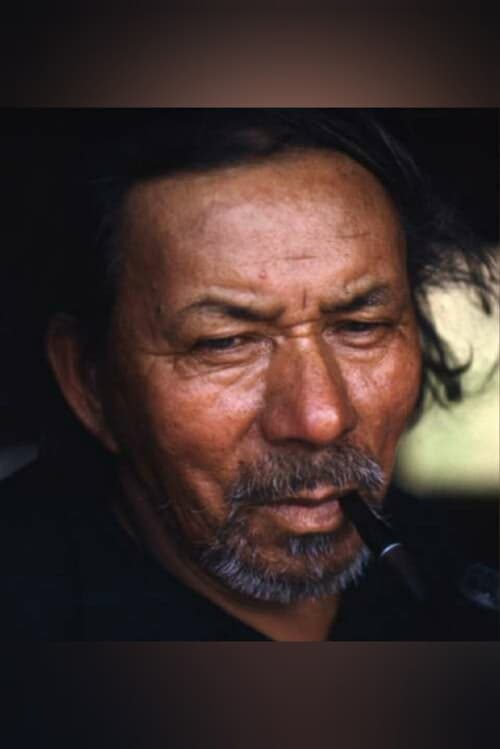
History of Manawan Part Two continues the community's oral history as Atikamekw elder Cézar Néwashish guides listeners through a period when the village faces a rapid blend of Christian practice and European customs with the old ways. The film traces how colonial institutions, including... Read more
Where to Watch "History of Manawan - Part Two"
Not Currently Streaming
This title isn't available for streaming in the US right now.
Not Currently Available On (8 platforms)


Streaming availability last verified: January 14, 2026
About History of Manawan - Part Two
History of Manawan Part Two continues the community's oral history as Atikamekw elder Cézar Néwashish guides listeners through a period when the village faces a rapid blend of Christian practice and European customs with the old ways. The film traces how colonial institutions, including residential schools and government assimilation policies, reach deeper into daily life and ceremony, gradually reshaping dances, language, and social routines. Yet the elder's memories also emphasize continuity: stubborn roots, kinship networks, and the stubborn pride of a people who refuse to vanish. The narrative is framed as a living conversation with younger generations, inviting reflection rather than spectacle, and it remains part of Obomsawin's Manawan series which blends testimony with documentary imagery. The imagery often blends present community spaces with archival footage, creating a reflective rhythm.
Directed by Alanis Obomsawin, History of Manawan Part Two is a continuation of her documentary series focused on the Atikamekw community of Manawan. It follows the earlier installment and continues Obomsawin's signature approach of weaving elder testimony with visual records of community life, ceremonies, and everyday work. The work remains faithful to the residents' voice, rather than a distant observer's narration.
As part of Obomsawin's acclaimed Manawan cycle, the film contributes to the broader conversation about indigenous identity in Canada. It presents history as living memory and shows how resistance and adaptation in the face of assimilation shaped a community's voice and visibility in documentary cinema. The work travels beyond academic contexts, reaching general audiences with a clear sense of place and continuity.
Critical focus centers on memory, cultural continuity, and the impact of colonial policy on daily life. Viewers are invited to weigh hopeful resilience against loss, while the elder narrator frames history as a collective act rather than a distant record. The film invites reflection on how community archives are built and preserved, and how storytelling becomes a form of treaty with future generations. It challenges viewers to consider how official histories often overlook intimate acts of survival and adaptation in the face of upheaval.
Details
- Release Date
- January 01, 1972
- Type
- Movie
- Genres
- Documentary
Cast
Cezar Newashish
Narrator
Director: Alanis Obomsawin