Main Street on the March!
Set against the spring of 1940 as Europe tilts toward war, Main Street on the March follows ordinary Americans as they awaken to a new national purpose. The film traces how civilian life, the armed forces, and the factories that feed them are redirected toward defense, production, and... Read more
Where to Watch "Main Street on the March!"
Not Currently Streaming
This title isn't available for streaming in the US right now.
Not Currently Available On (8 platforms)


Streaming availability last verified: January 14, 2026
About Main Street on the March!
Set against the spring of 1940 as Europe tilts toward war, Main Street on the March follows ordinary Americans as they awaken to a new national purpose. The film traces how civilian life, the armed forces, and the factories that feed them are redirected toward defense, production, and preparedness. Rather than a single narrative, it weaves fresh footage with contemporary newsreels and stock shots to show a country reorganizing in real time. The story spans the months before the Nazi occupation of the Benelux states and culminates with the moment the United States faces Pearl Harbor, signaling a total shift in national priorities. Along the way it punctuates the moral weight of sacrifice, thrift, and shared effort.
Directed by Edward L. Cahn and conceived by Karl Kamb, the film fits a wartime documentary ethos. It appeared in theaters as a compact portrait of national effort, and its concise form made it a common feature in newsreel cycles and cinema programs.
It is an Oscar winner for Best Short Subject, recognizing its production value and timeliness. Its honor on the Academy stage reflects a broader push to document civilian sacrifice and industrial effort during the war.
It captures a moment when everyday life, industry, and the military converge in a shared purpose. By weaving fresh clips with contemporary newsreel material, it helped define how wartime resilience could be presented to theatergoers and became a reference point for future documentary storytelling. As a historical artifact, it demonstrates how film communicated national purpose to a wide audience.
Critically, the film is seen as a brisk, informative portrait of a nation redirecting resources and energy toward defense. Its central themes include collective responsibility, industrial cohesion, and the seamless link between civilian life and military readiness. Viewers at the time would have seen a clear call to contribute to the war effort, whether through enlistment, production work, or rationing.
Details
- Release Date
- December 09, 1941
- Runtime
- 20m
- User Ratings
- 11 votes
- Type
- Movie
- Genres
- Documentary
- Country
- United States
- Studio
- Metro-Goldwyn-Mayer
- External Links
- View on IMDB
Cast

John Nesbitt
Narrator (voice)

Barbara Bedford
Nurse (uncredited)
Margaret Bert
Mrs. Schulte (uncredited)

Robert Blake
Schulte Child (uncredited)

Naomi Childers
Window Shopper (uncredited)

Mark Daniels
Engineer (uncredited)
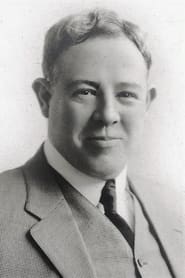
Robert Homans
Lighthouse Keeper (uncredited)
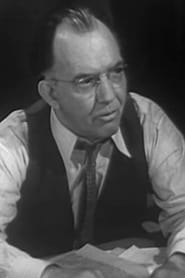
Milton Kibbee
News Vendor Rod Meakin (uncredited)

May McAvoy
Window Shopper (uncredited)
Director: Edward L. Cahn
Written by: Karl Kamb