Nuclear Nightmares
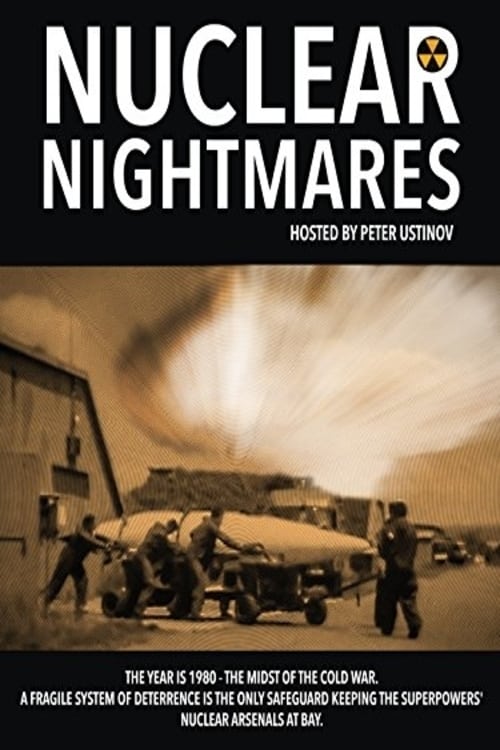
Peter Ustinov hosts Nuclear Nightmares, taking viewers into the shadowy world of nuclear arsenals and the fragile system that deters either side from pressing the button. The film surveys the breadth of weapons and delivery systems, but keeps the focus on people, decisions, and the daily drift of... Read more
Watch NowWhere to Watch "Nuclear Nightmares"

Not Currently Available On (8 platforms)


Streaming availability last verified: January 14, 2026
About Nuclear Nightmares
Peter Ustinov hosts Nuclear Nightmares, taking viewers into the shadowy world of nuclear arsenals and the fragile system that deters either side from pressing the button. The film surveys the breadth of weapons and delivery systems, but keeps the focus on people, decisions, and the daily drift of fear that shapes policy. Rather than a dry catalog of missiles, it threads archival footage, expert explanations, and Ustinov's wry but earnest presence to illuminate how deterrence is supposed to work and why miscalculation could have catastrophic consequences. The documentary invites you to see the Cold War as a lived experience, not only a theoretical debate, and to understand why the urge for stability often brushes against human error and political brinkmanship.
Directed by Peter Batty with Nigel Calder as creator, Nuclear Nightmares came out in 1979 as an original documentary rather than an adaptation. It pairs archival footage with clear explanations and a calm, human voice that makes deterrence feel tangible.
Ustinov's presence as host lends celebrity gravitas; the film contributed to public discourse, helping lay audiences grasp deterrence's complexity and the real-world stakes of a nuclear conflict, influencing subsequent documentaries and policy discussions by emphasizing human consequences over technical details. It sparked conversations in classrooms and among officials about risk, responsibility, and the limits of parting with control.
Critics at the time framed the film as a sober, accessible survey of how the logic of deterrence works while reminding viewers of the fragility of the system. It balances technical context with human stakes, emphasizing fear, rational policy, and the thin line between stability and catastrophe.
Box office data for Nuclear Nightmares is not publicly available. As a late 1970s documentary, it circulated primarily in educational and television spaces rather than traditional theatrical markets. Its audience was typically viewers seeking explanation rather than entertainment.
Details
- Release Date
- November 01, 1979
- Runtime
- 1h 29m
- User Ratings
- 1 votes
- Type
- Movie
- Genres
- Documentary
- Country
- United States
- Studio
- BBC +1 more
- External Links
- View on IMDB
Cast
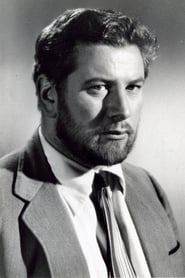
Peter Ustinov
Himself
Director: Peter Batty
Written by: Nigel Calder