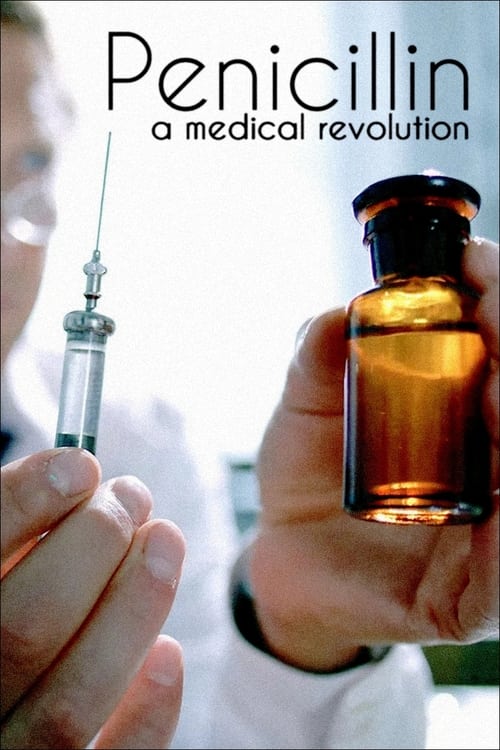
Penicillin: A Medical Revolution
In the summer of 1928 a chance observation in Alexander Fleming's laboratory set off a chain of events that changed medicine. This documentary traces that moment of discovery and then follows how scientists, manufacturers and wartime needs pushed penicillin from a laboratory curiosity into a... Read more
Where to Watch "Penicillin: A Medical Revolution"
Not Currently Streaming
This title isn't available for streaming in the US right now.
Not Currently Available On (8 platforms)


Streaming availability last verified: January 14, 2026
About Penicillin: A Medical Revolution
In the summer of 1928 a chance observation in Alexander Fleming's laboratory set off a chain of events that changed medicine. This documentary traces that moment of discovery and then follows how scientists, manufacturers and wartime needs pushed penicillin from a laboratory curiosity into a life-saving drug. The film pieces together historical context, the stubborn technical hurdles of producing antibiotics at scale, and the diseases that penicillin helped control, like typhus, syphilis, gangrene and tuberculosis. It uses a narrator and reenacted scenes to make scientific progress easy to follow, while keeping the focus on the people and institutional efforts that transformed an accidental finding into a global medical tool.
Created and directed by Wilfried Hauke and released in 2018, the production is presented as a TV movie documentary. Stephan Schad provides the voiceover narration and Imanuel Humm portrays Alexander Fleming, framing the story through a mixture of commentary and dramatization.
As a television documentary, it did not have a standard theatrical release or box office reporting, so there aren't commercial gross figures to cite. Distribution was oriented toward broadcast and educational use rather than cinema earnings.
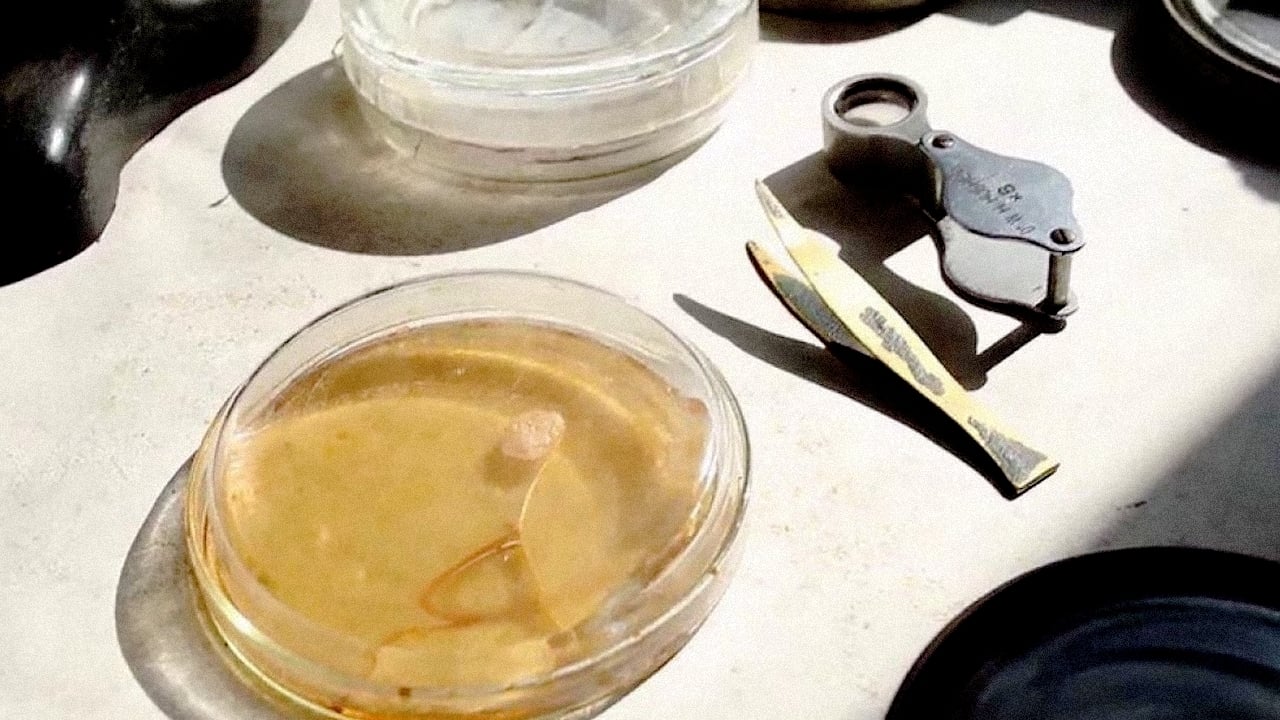
The subject matter itself has an oversized place in cultural memory, and the film highlights that legacy. Penicillin is shown as a turning point that reshaped public health and the practice of medicine, and the program reinforces familiar images of lab coats, Petri dishes and wartime production lines. It aims to remind viewers why antibiotics became central to modern healthcare and why their history still matters.
Public scoring data is scarce, with a listed vote average of 0.0/10 from zero votes on the provided source, so mainstream critical consensus is limited. Thematically the movie emphasizes serendipity in discovery, the collaborative nature of scientific development, the industrial challenges of scaling up production, and the broader ethical and public health consequences that followed.
Details
- Release Date
- June 26, 2018
- Runtime
- 53m
- Type
- Movie
- Genres
- Documentary, History, TV Movie
- Country
- Germany
- Studio
- dmfilm und tv produktion +2 more
- External Links
- View on IMDB
Cast

Stephan Schad
Self - Narrator (voice)

Imanuel Humm
Alexander Flemming
Written by: Wilfried Hauke