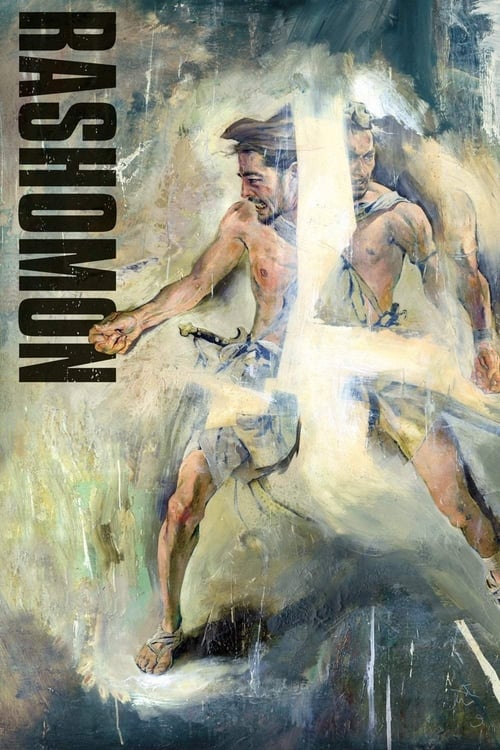
Rashomon
"The husband, the wife… or the bandit?"
On a rain slick night at a ruined gate in a provincial outpost, a priest and a woodcutter wait for shelter as a traveler questions them about a grim tragedy. The tale centers on a samurai named Takehiro who lies dead, his wife Masako who survived, and the brash bandit Tajomaru who is rumored to... Read more
Stream NowWhere to Watch "Rashomon"


Not Currently Available On (7 platforms)


Streaming availability last verified: February 12, 2026
About Rashomon
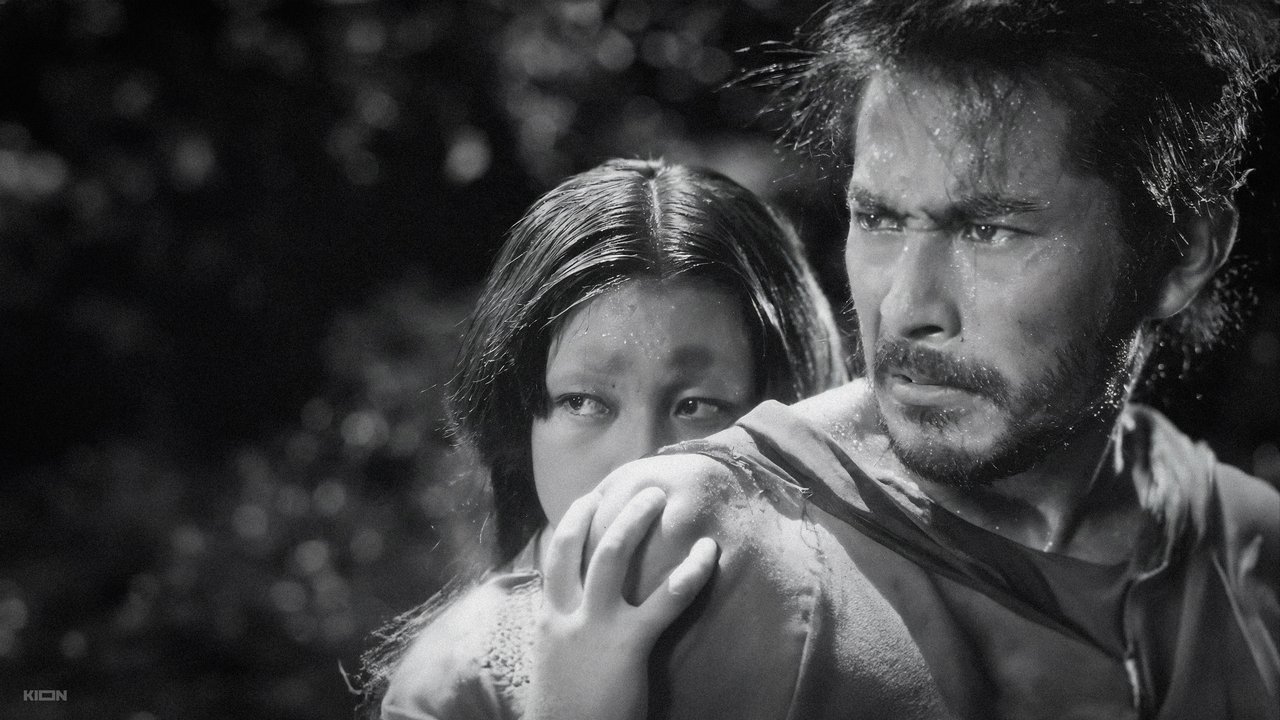
On a rain slick night at a ruined gate in a provincial outpost, a priest and a woodcutter wait for shelter as a traveler questions them about a grim tragedy. The tale centers on a samurai named Takehiro who lies dead, his wife Masako who survived, and the brash bandit Tajomaru who is rumored to be the killer. Each participant recounts what happened from their own vantage point, and the stories keep changing as motives, memories, and pride color the details. A tense sequence of testimony and flashback follows, with shifts in who speaks, what was said, and who saw what. The framing device invites viewers to sift truth from memory, while the characters reveal their own frailties and desires.
Directed by Akira Kurosawa, Rashomon adapts Ryūnosuke Akutagawa's short story In a Grove with a screenplay by Kurosawa and Shinobu Hashimoto. The 1950 Japanese release showcased a masterful ensemble, and helped launch Kurosawa's international reputation and spark global interest in Japanese cinema.
The film earned international acclaim, including the Academy Award for Best Foreign Language Film and the Golden Lion at Venice, recognizing Kurosawa's bold storytelling and the film's groundbreaking use of narrative structure that reshaped world cinema. Its success helped open doors for East Asian cinema and inspired filmmakers worldwide.
Rashomon gave rise to the term Rashomon effect, describing how memory and bias distort truth as stories clash across narrators. Its rain-soaked visuals, stark lighting, and deliberate ambiguity have influenced crime dramas and arthouse films, shaping how audiences think about truth in fiction and memory.
Critics praised its atmosphere and its probing of perception versus reality, ethics under pressure, and how fear and pride color choices. The film’s flexible approach to truth invites viewers to question who deserves moral judgment and whether memory can ever be trusted, even after repeated viewings.
What Viewers Are Saying
Rain-soaked Rashomon is a sharp look at how memory and ego twist the truth, with each telling bending the same events in a different direction. A woodcutter, a priest, a widow, and even a ghost offer separate accounts of a rape and a murder, leaving you unsure which version to trust. Kurosawa earns praise for his precise direction and the strong turns from Takashi Shimura and Machiko Kyō, though some viewers find the pacing dense and the cultural distance hard to bridge.
Details
- Release Date
- August 26, 1950
- Runtime
- 1h 28m
- Rating
- NR
- User Ratings
- 2,451 votes
- Type
- Movie
- Genres
- Crime, Drama, Mystery
- Country
- Japan
- Studio
- Daiei Film
- Budget
- $250,000
- Box Office
- $117,668
- External Links
- View on IMDB
Official Trailer
Cast
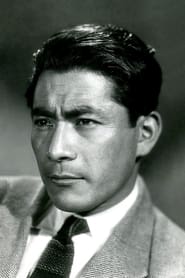
Toshirō Mifune
Tajômaru

Machiko Kyō
Masako
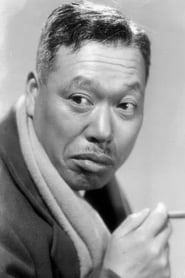
Takashi Shimura
Woodcutter

Masayuki Mori
Takehiro
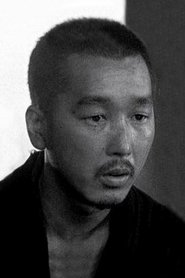
Minoru Chiaki
Priest

Kichijirō Ueda
Commoner
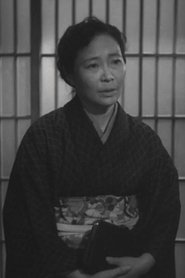
Noriko Honma
Medium

Daisuke Katō
Policeman
Director: Akira Kurosawa
Written by: Shinobu Hashimoto, Ryūnosuke Akutagawa