
Street of Shame
"Men were their prey! Beauty was their lure!"
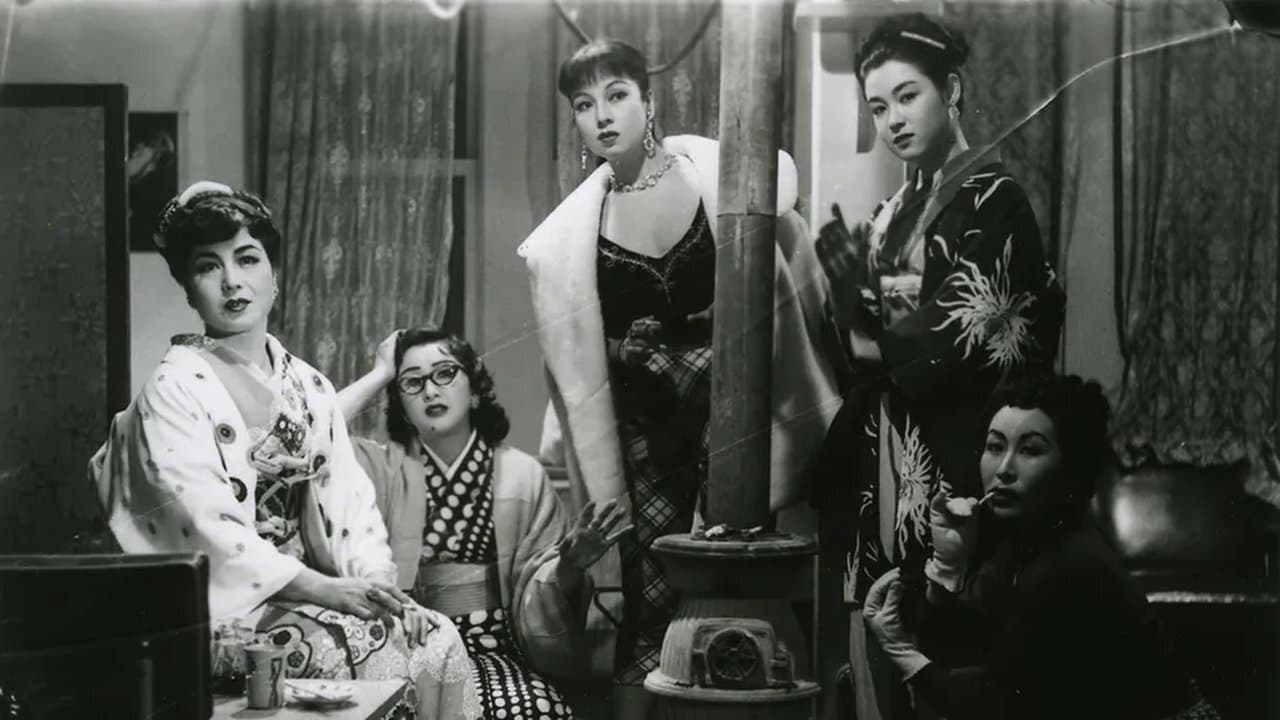
During a moment of social tension in postwar Japan as the nation debates tightening prostitution laws, Street of Shame follows five women who work in a Tokyo brothel. The film watches their routines, conversations, and small acts of resilience with a calm, almost documentary-like gaze. It refuses... Read more
Where to Watch "Street of Shame"
Not Currently Streaming
This title isn't available for streaming in the US right now.
Not Currently Available On (8 platforms)


Streaming availability last verified: January 25, 2026
About Street of Shame
During a moment of social tension in postwar Japan as the nation debates tightening prostitution laws, Street of Shame follows five women who work in a Tokyo brothel. The film watches their routines, conversations, and small acts of resilience with a calm, almost documentary-like gaze. It refuses sensationalism, instead laying bare the ordinary costs of stigma, poverty, and unequal power. Each character shows courage in different ways as they balance affection, loyalty, and survival under pressure. Mizoguchi threads their parallel lives into a broader inquiry about morality, duty, and the costs of reform. The mood blends intimate detail with a quiet social critique, inviting viewers to question judgments about prostitution without offering easy answers, and it never feels exploitative today. During a moment of social tension in postwar Japan as the nation debates tightening prostitution laws, Street of Shame follows five women who work in a Tokyo brothel. The film watches their routines, conversations, and small acts of resilience with a calm, almost documentary-like gaze. It refuses sensationalism, instead laying bare the ordinary costs of stigma, poverty, and unequal power. Each character shows courage in different ways as they balance affection, loyalty, and survival under pressure. Mizoguchi threads their parallel lives into a broader inquiry about morality, duty, and the costs of reform. The mood blends intimate detail with a quiet social critique, inviting viewers to question judgments about prostitution without offering easy answers, and it never feels exploitative today.
Directed by Kenji Mizoguchi and released in 1956, Street of Shame adapts a scenario by Masashige Narusawa and Yoshiko Shibaki. Its realist style, focused on women's lives, marks Mizoguchi's later approach, using long takes and intimate interiors to capture labor.
Over the years the film has been cited for its humane portrayal of sex workers and for shaping later social realist cinema in Japan. It inspired discussions about exploitation and agency, and is frequently shown in film schools as an early example of empathetic, gender-aware storytelling that honors future generations.
Critics praised the ensemble performances led by Machiko Kyo and Ayako Wakao, and Mizoguchi's restrained, nonjudgmental storytelling. The film tackles poverty, gendered power dynamics, and the ethical debate surrounding reform, asking how laws affect the people most affected by them, lasting influence that continues to resonate in classrooms today globally.
While critics later highlighted the film's social purpose, contemporaries did not record blockbuster numbers; it circulated through art houses and festivals, shaping Mizoguchi's reputation as a filmmaker who prioritizes social conscience over mass appeal in Japan and beyond worldwide audiences.
Details
- Release Date
- March 18, 1956
- Runtime
- 1h 27m
- User Ratings
- 145 votes
- Type
- Movie
- Genres
- Drama
- Country
- Japan
- Studio
- Daiei Film
- External Links
- View on IMDB
Cast

Machiko Kyō
Mickey

Ayako Wakao
Yasumi

Michiyo Kogure
Hanae

Aiko Mimasu
Yumeko

Kenji Sugawara
Eiko

Yasuko Kawakami
Shizuko

Eitarō Shindō
Kurazô Taya

Bontarō Miake
Officer Nonomura

Haruo Tanaka
Osaka Salesman

Sadako Sawamura
Tatsuko Taya
Director: Kenji Mizoguchi
Written by: Masashige Narusawa, Yoshiko Shibaki