Return
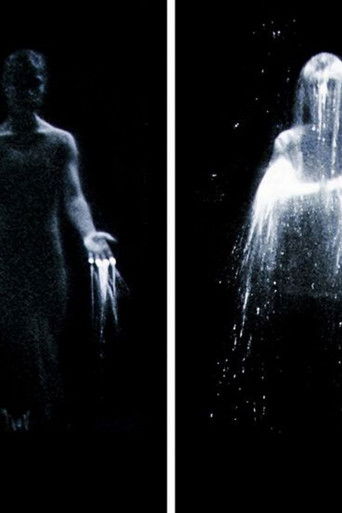
Return follows a lone figure as he moves toward an unseen aim. He nears the camera, then pauses to ring a bell, and then seems to be thrust back to the starting point. The steps repeat in measured, hypnotic rhythm, each toll interrupting forward motion and nudging the progression back to the... Read more
Where to Watch "Return"
Not Currently Streaming
This title isn't available for streaming in the US right now.
Not Currently Available On (8 platforms)


Streaming availability last verified: January 20, 2026
About Return
Return follows a lone figure as he moves toward an unseen aim. He nears the camera, then pauses to ring a bell, and then seems to be thrust back to the starting point. The steps repeat in measured, hypnotic rhythm, each toll interrupting forward motion and nudging the progression back to the origin. As the cycles multiply, the distance to the goal fluctuates and the ritual accumulates. In a final rapid moment, the earlier stages are collapsed into one instantaneous sequence that returns the traveler to the source of the path. The piece foregrounds time, repetition, and perception over a conventional plot. The camera stays still, letting small gestures and the echo of the bell shape the viewer pace and focus.
Directed by Bill Viola, Return seeds Viola's video art explorations in the 1970s. An original, non-narrative study, it presents a measured, intimate approach to movement and perception rather than conventional storytelling. Its setup underscores timing and gaze as the instrument.
Return stands as a touchstone in video art for its spare, rigorous use of time and proximity. The recurring bell and the camera's still perspective shaped how later artists think about duration, gaze, and ritual in experimental media. The minimal sound invites viewers to slow their pace and notice shifts.
Reception centers on its meditative pace and conceptual focus. Critics view Return not as a story but as a study of attention, motion, and the tension between pursuit and return. The theme is less about achievement and more about perception itself. Its influence persists in contemporary screenings and academic discussions.
Despite its influence, Return did not garner major film awards. It has been celebrated within art circles and showcased at galleries and screenings, contributing to Bill Viola's reputation as a pioneer of time based media. Its visibility in academic discussions and retrospective programs keeps it relevant.
Details
- Release Date
- September 04, 1975
- Runtime
- 7m
- User Ratings
- 647 votes
- Type
- Movie
- External Links
- View on IMDB
Cast

Bill Viola
Director: Bill Viola