The Innocents
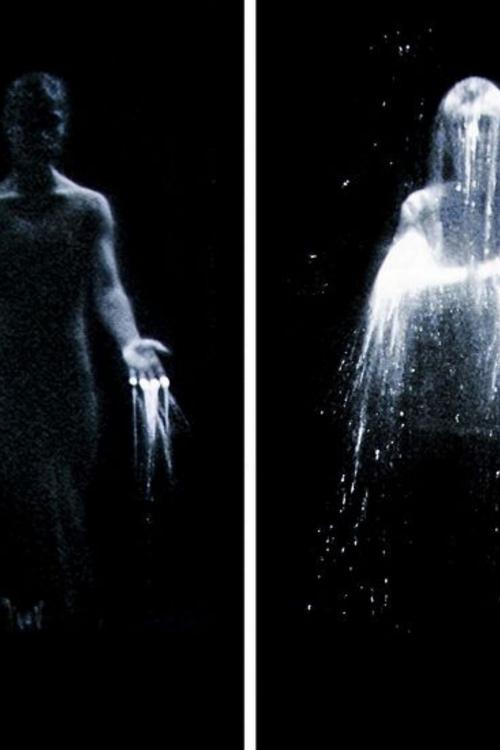
The Innocents is a short video from Bill Viola's Transfiguration series that stages an encounter between life and what lies beyond. Two figures, a boy and a girl, rise out of darkness on separate screens, moving toward and through a shimmering curtain of water that marks a border between realms.... Read more
Where to Watch "The Innocents"
Not Currently Streaming
This title isn't available for streaming in the US right now.
Not Currently Available On (8 platforms)


Streaming availability last verified: January 14, 2026
About The Innocents
The Innocents is a short video from Bill Viola's Transfiguration series that stages an encounter between life and what lies beyond. Two figures, a boy and a girl, rise out of darkness on separate screens, moving toward and through a shimmering curtain of water that marks a border between realms. The work treats that crossing as an act of appearance rather than explanation, lingering on gradual emergence and the tactile quality of breath and skin. Once they stand in light, their presence feels brief and fragile, and they retreat without speech, returning to the unknown from which they came. The piece asks how presence is made visible, and how absence is registered in our senses. It unfolds with slow reverence.
Presented as part of Viola's Transfiguration cycle, The Innocents was directed by Bill Viola and created for gallery installations and video exhibitions. It first appeared in museum contexts rather than mainstream cinemas, aligning with Viola's focus on video art practices.
The Innocents didn't have a traditional box office run, since it was conceived for exhibition spaces. It wasn't released for wide theatrical distribution, so there are no mainstream revenue figures, its circulation occurring through shows, catalogs, and institutional screenings primarily.
Within contemporary art circles The Innocents has been discussed for its striking visuals and quiet choreography, its water motif becoming a recurring reference in analyses of Viola's work. Galleries and critics note its power to unsettle viewers, prompting reflections about mortality, embodiment, and how moving image art can shape experience.
Critics tend to focus on sensory detail and ritualized pacing rather than narrative, praising Viola's use of slowed time and elemental imagery. The Innocents raises questions about presence, loss, and how the body acts as evidence, inviting prolonged looking instead of offering tidy explanation or dramatic gesture and quiet reflection.
Details
- Release Date
- August 08, 2008
- Type
- Movie