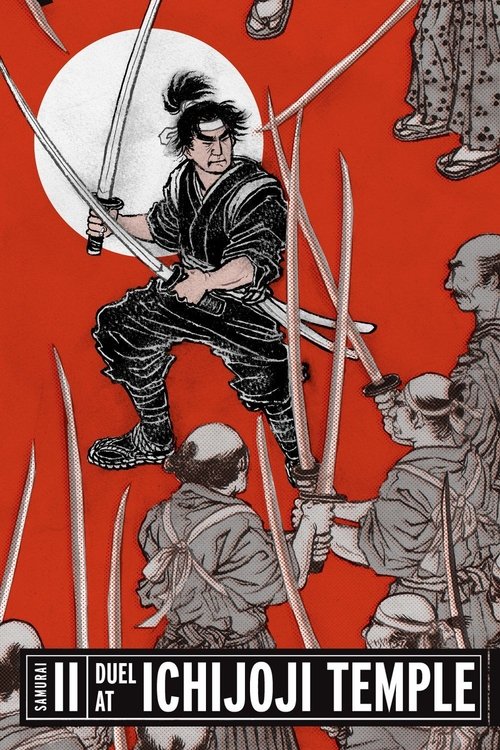
Samurai II: Duel at Ichijoji Temple
After years on the road building a reputation as Japan's greatest fencer, Takezo returns to Kyoto with a reputation that precedes him. He’s not seeking a reunion with Otsu so much as a proving ground for his skill by challenging the head of a renowned fencing school. He deliberately accepts a... Read more
Stream NowWhere to Watch "Samurai II: Duel at Ichijoji Temple"


Not Currently Available On (7 platforms)


Streaming availability last verified: January 23, 2026
About Samurai II: Duel at Ichijoji Temple
After years on the road building a reputation as Japan's greatest fencer, Takezo returns to Kyoto with a reputation that precedes him. He’s not seeking a reunion with Otsu so much as a proving ground for his skill by challenging the head of a renowned fencing school. He deliberately accepts a sequence of ambushes and provocations meant to test his nerve, not merely to win. As the city watches, Musashi's presence seems to grow into a legend, while he stays intent on the duel as a form of discipline. Old loyalties, new rivals, and a stubborn sense of honor collide as he moves through crowded streets and quiet courtyards.
Directed by Hiroshi Inagaki, Samurai II is the second film in his Samurai Trilogy. It draws on Eiji Yoshikawa's Musashi and features Toshiro Mifune as Musashi with Kojiro Sasaki. The picture arrived in 1955, and its look reflects the period's austerity and its careful choreography of movement.
Among fans and scholars the film is celebrated for helping popularize the samurai epic beyond Japan. Its stark black and white duel scenes, measured pacing, and Mifune's stoic performance became a template for later swordplay cinema. The trilogy as a whole helped export Japanese cinema's mythic warrior tradition. It remains a touchstone for later adaptations.
Critics widely praised the film for its taut action and character focus, while the story probes the moral costs of fame and the discipline required to walk the warrior path. It contrasts Musashi's pursuit of glory with Otsu's patient waiting, framing duel as rite and personal test rather than mere sport.
There are no major international awards documented for this title, but it is widely regarded as a high point of the Samurai Trilogy. Critics note its refined staging, historical scope, and exemplary performances from Mifune and Koji Tsuruta. The film helped cement Inagaki's reputation as a master of epic period drama and storytelling.
Details
- Release Date
- July 12, 1955
- Runtime
- 1h 43m
- User Ratings
- 134 votes
- Type
- Movie
- Genres
- Drama, Action, Adventure
- Country
- Japan
- Collection
- Samurai Collection
- Studio
- TOHO
- External Links
- View on IMDB
Official Trailer
Cast
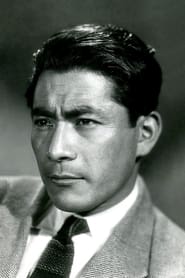
Toshirō Mifune
Musashi Miyamoto a.k.a. Takezo
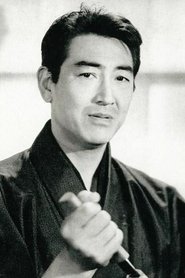
Koji Tsuruta
Kojiro Sasaki
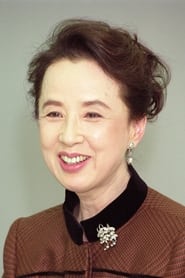
Kaoru Yachigusa
Otsu
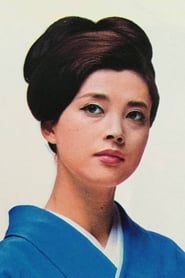
Mariko Okada
Akemi
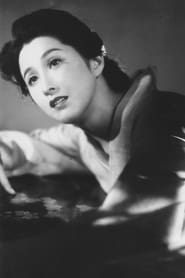
Michiyo Kogure
Lady Yoshino
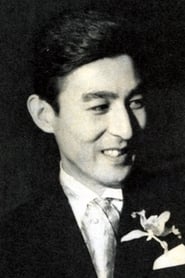
Akihiko Hirata
Seijuro Yoshioka

Mitsuko Mito
Oko
Kurôemon Onoe
Takuan
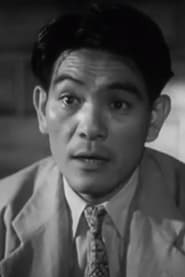
Sachio Sakai
Matahachi Honiden
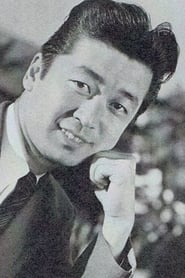
Yū Fujiki
Denshichiro Yoshioka
Written by: Tokuhei Wakao, Hiroshi Inagaki, Eiji Yoshikawa