The Beetle KFZ-1348
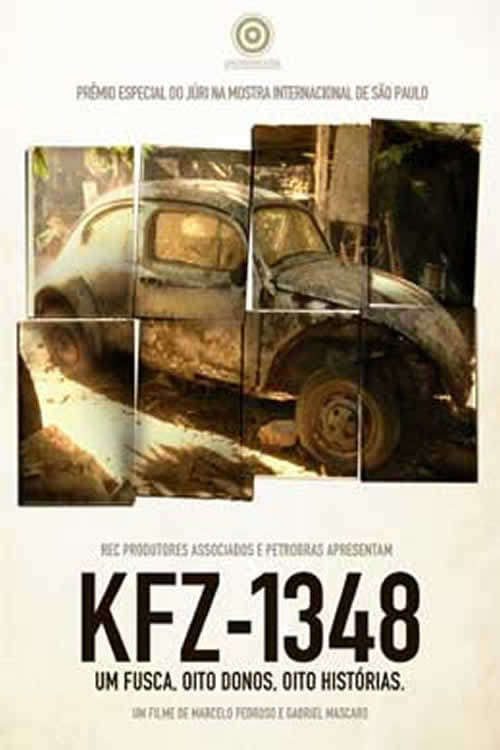
At the center of The Beetle KFZ-1348 sits a modest object with a long life story, a blue VW Beetle first sold in São Paulo in 1965. Over the years the car vanishes from crowded streets and reappears decades later in a Recife scrapyard, carrying the plate KFZ-1348. The film follows the vehicle... Read more
Where to Watch "The Beetle KFZ-1348"
Not Currently Streaming
This title isn't available for streaming in the US right now.
Not Currently Available On (8 platforms)


Streaming availability last verified: January 14, 2026
About The Beetle KFZ-1348
At the center of The Beetle KFZ-1348 sits a modest object with a long life story, a blue VW Beetle first sold in São Paulo in 1965. Over the years the car vanishes from crowded streets and reappears decades later in a Recife scrapyard, carrying the plate KFZ-1348. The film follows the vehicle through the hands of eight different owners, letting each era and personality trace a thread of Brazilian experience. There are no sensational pivots or grand set pieces, just patient observations, conversations, and small rituals that attach memory to metal. Through these patient glimpses, the car becomes a moving mirror of a country shaped by work, migration, and transformation. Its worn surface tells a history the city hides.
Released in 2008, The Beetle KFZ-1348 was directed by Gabriel Mascaro and Marcelo Pedrosa. The film presents an unscripted portrait using the car and its eight owners as its core material, rather than a traditional, linear plot and archival footage.
Box office figures for The Beetle KFZ-1348 are not publicly documented. As a regional Brazilian documentary, it did not have a widely reported worldwide gross, with most exposure at festivals, screenings, and limited educational or cultural distribution, globally and online.
The film offers a cultural snapshot of Brazil across decades by focusing on a single object. Eight owners' stories illuminate how mobility, work, and urban change shape daily life, turning a scrapyard relic into a symbol of shared history and a mirror for regional differences that resonate beyond chrome worldwide.
Reception centers on the documentary's restrained, observational approach. It invites viewers to consider how one ordinary car can connect personal memory with national transformation, weaving themes of aspiration, migration, and class into a quiet, human portrait of Brazilian life that lingers in memory after the screen goes dark for viewers.
Details
- Release Date
- October 01, 2008
- Runtime
- 1h 21m
- User Ratings
- 1 votes
- Type
- Movie
- Genres
- Documentary
- Country
- Brazil
- Studio
- REC Produtores Associados
- External Links
- View on IMDB