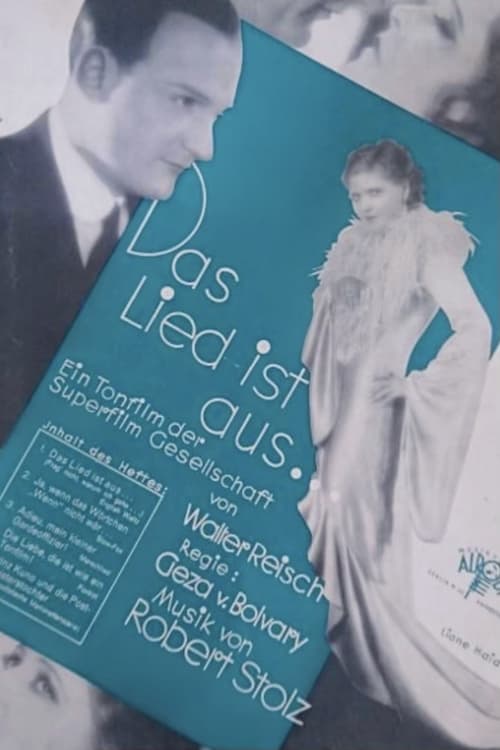
The Song Is Ended
Set among performers and backstage players in a bustling theatre world, the film follows a circle of singers, reporters, and hopefuls as they chase love and acclaim. The everyday pressures of stage life collide with romantic rivalries, bold ambitions, and quick-witted exchanges that mix song... Read more
Where to Watch "The Song Is Ended"
Not Currently Streaming
This title isn't available for streaming in the US right now.
Not Currently Available On (8 platforms)


Streaming availability last verified: January 14, 2026
About The Song Is Ended
Set among performers and backstage players in a bustling theatre world, the film follows a circle of singers, reporters, and hopefuls as they chase love and acclaim. The everyday pressures of stage life collide with romantic rivalries, bold ambitions, and quick-witted exchanges that mix song numbers with brisk dialogue. The story weaves together auditions, club gigs, and social gatherings as characters test loyalties and seek their place in the limelight. While the mood shifts between flirtation and friction, the core focus remains on how talent and desire intersect in a world where applause is both reward and risk. The tone captures the shift to sound cinema without veering into sentimentality. The production design captures the taste of Weimar era nightlife, with stage costumes and lighting that shimmer between comedy and melancholy. The atmosphere resonates with audiences today as a snapshot of early talkies that valued music as a social glue.
Directed by Géza von Bolváry, with a screenplay by Armin Robinson and Walter Reisch, this early talkie musical draws on German stage traditions for its narrative and features swift dialogue and lively numbers.
The film proved a major money maker in its day, drawing large crowds with bright songs, backstage intrigues, and a stylish look, even as its finale carries a melancholy undertone.
Its cast and musical numbers helped shape the trajectory of German musical cinema in the early sound era, influencing later showbiz comedies and boosting interest in performers who could carry both dramatic and musical moments. The film stands as a document of its time's aesthetics.
Critical reception recognized the film as a lively blend of gorgeously staged numbers and character driven plots. It probes fame, romantic longing, and the costs of success within a show world where appearances carry weight, honesty and ambition collide for cinema historians worldwide.
Details
- Release Date
- October 07, 1930
- Type
- Movie
- Genres
- Music
Cast

Liane Haid
Tilla Morland
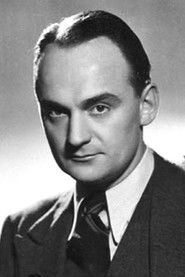
Willi Forst
Ulrich Weidenau
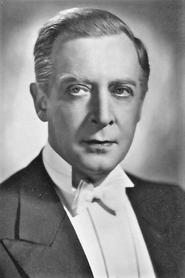
Fritz Odemar
The Editor
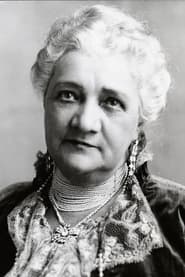
Hedwig Bleibtreu
Frau von Treuberg / The Lady
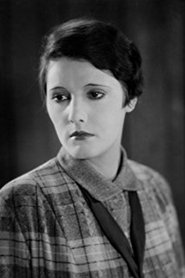
Margarete Schlegel
Emmy Stein

Otto Wallburg
The Baron
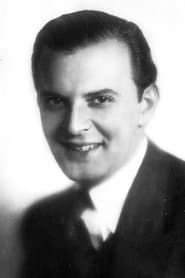
Ernö Verebes
Jerome Tönli
Eva Schmid-Kayser
Die Zofe / The Lady's Maid
Marcel Wittrisch
Der Sänger / The Vocalist
Ivo Puhonny's
Marionetten-Theater
Director: Géza von Bolváry
Written by: Armin Robinson, Walter Reisch