Back to the Land
Pierre Perrault's Back to the Land surveys Abitibi through extended conversations with people who lived the region's hopes and setbacks. Rather than offering a linear history, the film places present-day interviews beside older footage so the promises of 1930s colonization sit in direct contrast... Read more
Where to Watch "Back to the Land"
Not Currently Streaming
This title isn't available for streaming in the US right now.
Not Currently Available On (8 platforms)


Streaming availability last verified: January 14, 2026
About Back to the Land
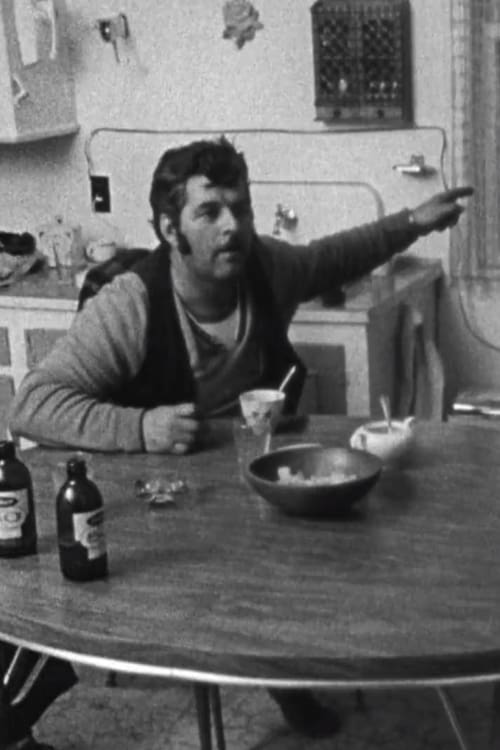
Pierre Perrault's Back to the Land surveys Abitibi through extended conversations with people who lived the region's hopes and setbacks. Rather than offering a linear history, the film places present-day interviews beside older footage so the promises of 1930s colonization sit in direct contrast with the disappointment that followed the so called closing of the land in the 1970s. Farmers, including Hauris Lalancette, speak plainly about work, loss and local pride while archival clips by Father Maurice Proulx from 1934 to 1940 provide visual echoes of earlier optimism. The result is a patient, observational portrait that privileges testimony over commentary, letting memory and image argue the film's case.
Released in 1976, Back to the Land is a feature entry in Perrault's Abitibian Cycle, directed by Pierre Perrault. The production weaves contemporary interviews with archival extracts from Father Maurice Proulx, blending new field recordings and historic film material.
There are no widely reported major international awards tied specifically to this film. Still, Perrault's Abitibian Cycle is often discussed in Canadian film studies, and his methods have earned recognition in academic and regional contexts for documenting vernacular voices.
The movie helped preserve first hand testimonies from Abitibi settlers and reinforced oral history as a valid documentary method in Quebec cinema. Its straightforward scenes of daily labor and candid recollections have been used by historians and later filmmakers interested in rural life and memory, and it contributed to public conversations about settlement policy and regional identity.
Scholars and critics tend to read Back to the Land as a sober look at the gap between official plans and lived experience, with recurring themes of land, memory, and community resilience. The film's structure, alternating present interviews with older film clips, foregrounds how official narratives are contested by ordinary people, and it rewards viewers who appreciate careful listening and archival contrast.
Details
- Release Date
- January 01, 1976
- Runtime
- 56m
- Type
- Movie
- Genres
- Documentary
- Country
- Canada
- Studio
- ONF | NFB
- External Links
- View on IMDB