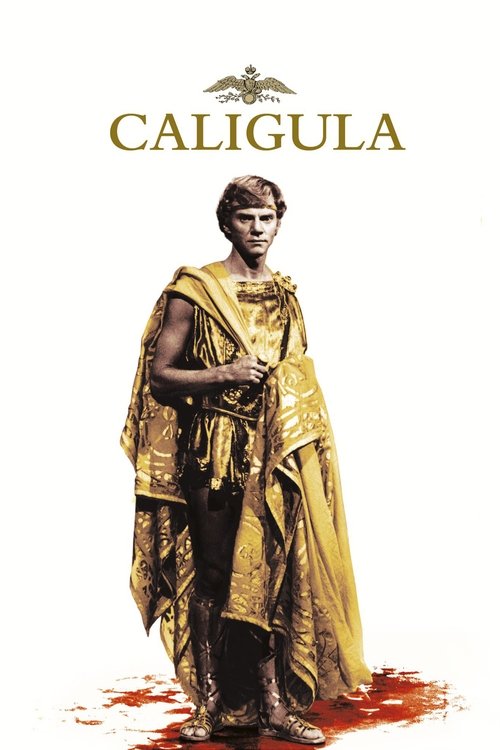
Caligula
"Absolute power corrupts"
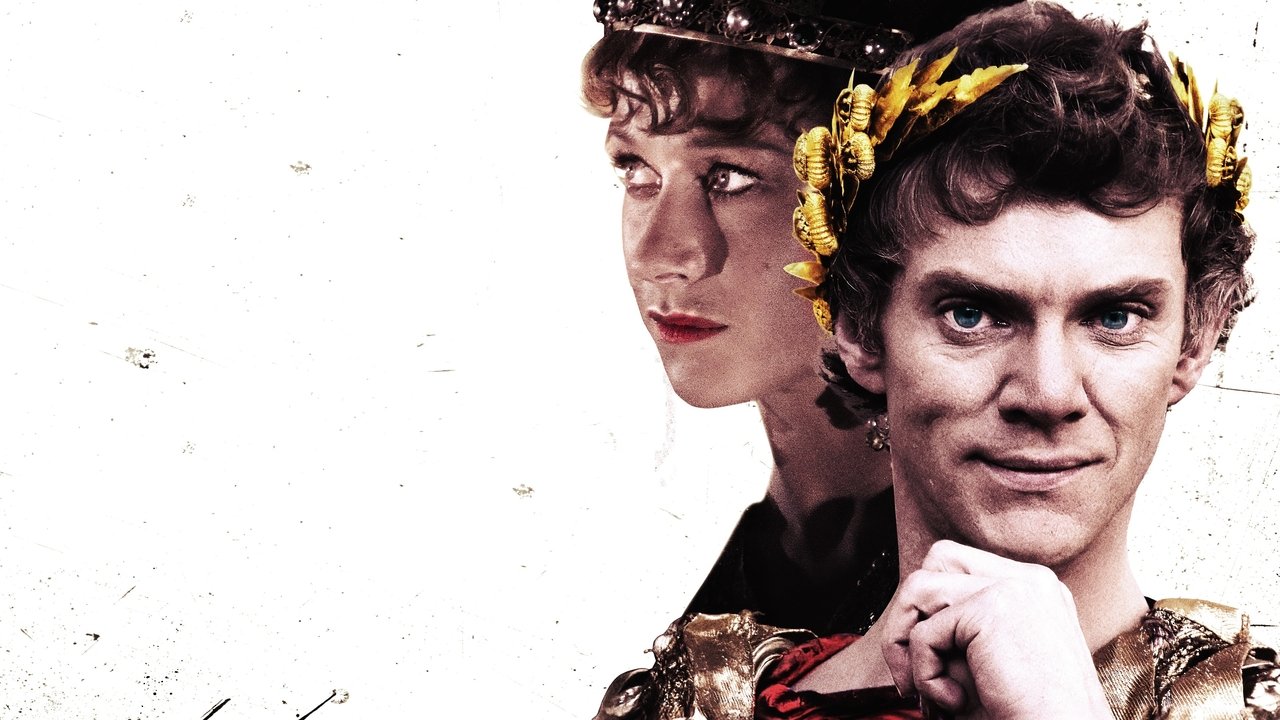
After Tiberius dies, Caligula ascends to the throne, seizing absolute power with an appetite for control that quickly turns Rome into a stage for excess. The narrative tracks his ascent and the empire's moral corrosion as he experiments with autocratic rule, spectacle, and wanton cruelty. What... Read more
Watch NowWhere to Watch "Caligula"

Not Currently Available On (8 platforms)


Streaming availability last verified: February 03, 2026
About Caligula
After Tiberius dies, Caligula ascends to the throne, seizing absolute power with an appetite for control that quickly turns Rome into a stage for excess. The narrative tracks his ascent and the empire's moral corrosion as he experiments with autocratic rule, spectacle, and wanton cruelty. What starts as political maneuvering soon spirals into a regime where decadence and fear feed on each other, shaping a city that trembles at every command and cherishes illusions of grandeur. The film presents a stylized, brutal portrait of tyranny where personal pleasure and public power fuse, challenging the viewer to confront the costs of unchecked leadership without revealing the fates that follow. It is a bold, provocative look at tyranny in antiquity. The film does not shy from heavy topics and unsettles early expectations.
Directed by Tinto Brass with a screenplay by Gore Vidal and Masolino D'Amico, Caligula reimagines ancient Rome through a lush, controversial lens. The production pairs opulent sets and performances with a provocative edge that sparked debate on film censorship and artistry.
Box office figures show the film grossed about 23.4 million worldwide against a 17.5 million budget, making it a profitable if controversial entry in 1970s cinema. The film found audiences in art house and international markets, drawing attention for its audacious style and provocative positioning within its era.
Caligula's notoriety extends beyond its plot, shaping conversations about sexuality, power, and censorship in cinema. Malcolm McDowell's portrayal became a cult touchstone, Teresa Ann Savoy's performance drew praise in some quarters, and the film regularly surfaces in debates about provocation versus art.
Critics were divided on its bold visual language and historical liberties, with some praising its audacity while others called it sensationalist. At its core the film probes how absolute authority corrodes ethics, blurs public duty and personal desire, and redefines what a ruler can become.
What Viewers Are Saying
Audiences are split on Caligula 1979, drawn in by Capri's opulent sets and Malcolm McDowell's ferocious Caligula opposite Peter O'Toole's predatory Tiberius. Some call it a near masterpiece for its bold spectacle and Vidal's ambitions, while others blame a porn producer's edits for snipping in extra scenes and dulling the tone. John Hurt's calmer take contrasts with McDowell's intensity, and the whole thing feels like wandering through a Bosch painting of excess.
Details
- Release Date
- August 14, 1979
- Runtime
- 2h 36m
- Rating
- NC-17
- User Ratings
- 951 votes
- Type
- Movie
- Genres
- Drama, History
- Country
- Italy
- Studio
- Penthouse Films International +1 more
- Budget
- $17,500,000
- Box Office
- $23,400,000
- External Links
- View on IMDB
Official Trailer
Cast

Malcolm McDowell
Caligula

Teresa Ann Savoy
Drusilla

Helen Mirren
Caesonia
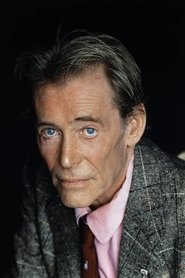
Peter O'Toole
Tiberius

John Steiner
Longinus

Guido Mannari
Macro
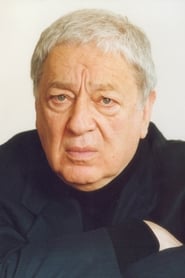
Paolo Bonacelli
Chaerea

Leopoldo Trieste
Charicles
Giancarlo Badessi
Claudius

Mirella D'Angelo
Livia
Director: Tinto Brass
Written by: Gore Vidal, Masolino D'Amico