Conquering the Skies
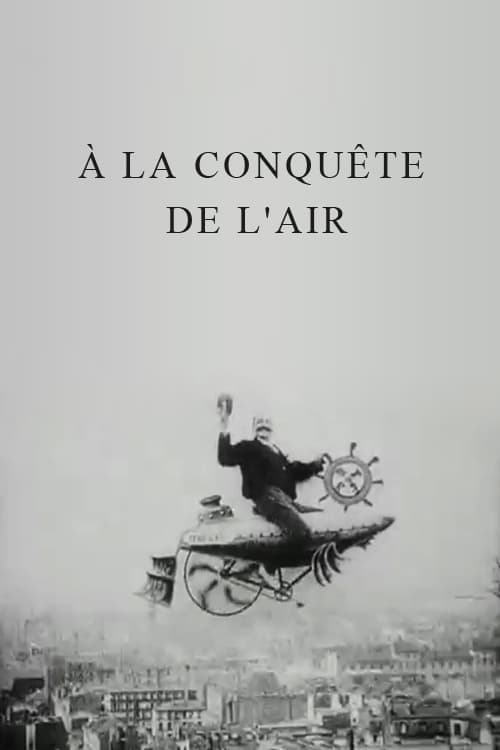
A simple, short sequence shows a lone pilot taking his machine, named "Fend l'Air," up and over Paris. The camera lingers on lift-off, a slow arc across the skyline, and the small craft moving above streets and rooflines, presenting flight as a visual stunt rather than a dramatic story. There is... Read more
Where to Watch "Conquering the Skies"
Not Currently Streaming
This title isn't available for streaming in the US right now.
Not Currently Available On (8 platforms)


Streaming availability last verified: January 14, 2026
About Conquering the Skies
A simple, short sequence shows a lone pilot taking his machine, named "Fend l'Air," up and over Paris. The camera lingers on lift-off, a slow arc across the skyline, and the small craft moving above streets and rooflines, presenting flight as a visual stunt rather than a dramatic story. There is no spoken narrative, only the event itself recorded for spectators who had rarely seen motion like this. Its focus is on the novelty of human-controlled flight, the surprise of seeing familiar urban forms from above, and the suggestion that machines might alter how people think about cities and travel.
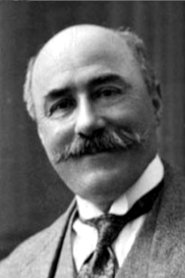
Released in 1901, Conquering the Skies was directed by Ferdinand Zecca, who also appears on screen. The piece is a short, silent science fiction film from cinema's earliest years, made when filmmakers were experimenting with trick effects and public spectacle.
As an early filmed depiction of heavier-than-air flight, the work reflects turn-of-the-century fascination with machines and speed. Film historians and collectors sometimes point to it as an example of how early cinema toyed with futuristic ideas, using simple staging to create the illusion of technological possibility and to stir public imagination.
Modern reception is limited but telling: one platform records a 4.7 out of 10 average from ten votes, indicating niche interest more than broad acclaim. Contemporary viewers tend to watch it for historical curiosity, noting its primitive effects and short runtime, while appreciating the glimpse it gives of popular hopes about progress and urban transformation.
No major awards are associated with the title, which predates organized film prizes by decades. Its value today is mainly historical and curatorial, of interest to silent cinema scholars, archivists, and enthusiasts of early science fiction imagery rather than to mainstream award circuits.
Details
- Release Date
- July 23, 1901
- Runtime
- 1m
- User Ratings
- 10 votes
- Type
- Movie
- Genres
- Science Fiction
- Country
- France
- Studio
- Pathé Frères
- External Links
- View on IMDB
Cast
Ferdinand Zecca
Director: Ferdinand Zecca