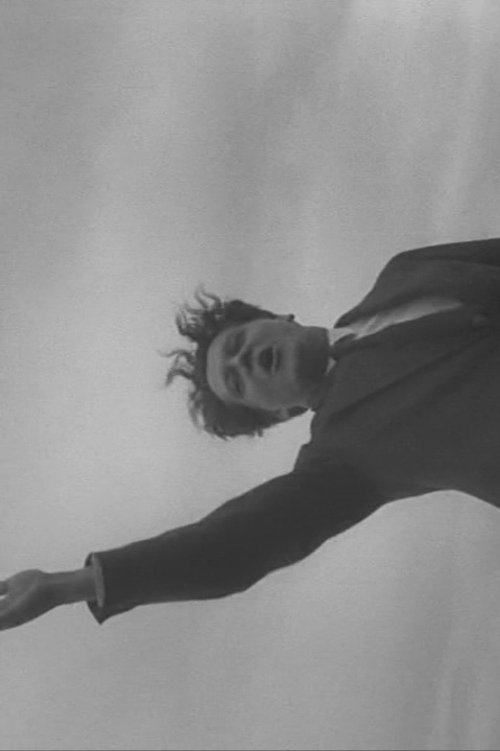
Even Today He’d Speak His Mind
Even Today He'd Speak His Mind takes a close look at the life and work of German poet Erich Weinert, tracing his development as a writer and public figure without revealing startling surprises. The documentary pieces together readings, archival film, photographs and interviews to sketch how... Read more
Where to Watch "Even Today He’d Speak His Mind"
Not Currently Streaming
This title isn't available for streaming in the US right now.
Not Currently Available On (8 platforms)


Streaming availability last verified: January 14, 2026
About Even Today He’d Speak His Mind
Even Today He'd Speak His Mind takes a close look at the life and work of German poet Erich Weinert, tracing his development as a writer and public figure without revealing startling surprises. The documentary pieces together readings, archival film, photographs and interviews to sketch how Weinert's poetry intersected with politics, community and performance. It pays attention to his language and public persona, showing how verse functioned as testimony, satire and rallying cry. Rather than offering a strict chronology, the film moves between moments and materials to suggest how Weinert's voice was shaped by historical forces and how it kept resonating in the public sphere. It shifts between readings, private letters and records, showing how his commitments shaped his art.
Directed by Volker Koepp and produced with material from Wera and Claus Küchenmeister, the film was released in 1975 as a focused documentary profile, created for a primarily German audience and intended as a cultural portrait, and included archival interviews.
No reliable box office figures are available. As a 1975 documentary it had a limited theatrical presence and found most of its audience through cultural screenings and television broadcasts, with circulation largely through film clubs and academic showings, occasionally abroad.
Though not widely known internationally, the film has been used by scholars and enthusiasts interested in German political poetry and cultural history. Its footage and readings continue to serve as a reference for Weinert's public persona and performance style, and its archival material is often cited in regional studies.
Critics and viewers concerned with literary history have noted the film's emphasis on textual performance and political context, rather than on celebrity biography. Themes include the relationship between art and ideology, memory in public life, and the role of poetry as political speech, praised for archival richness and sober pacing.
Details
- Release Date
- August 04, 1975
- Runtime
- 34m
- Type
- Movie
- Genres
- Documentary
- Country
- XG
- Studio
- DEFA-Studio für Dokumentarfilme
- External Links
- View on IMDB