Leipzig in Autumn
On October 9, 1989, cameras were rolling as a large, determined crowd filled the streets of Leipzig. This film pieces together that day from footage shot by several early eyewitness filmmakers, presenting short, unadorned moments rather than a single narrator's view. It moves among protesters,... Read more
Where to Watch "Leipzig in Autumn"
Not Currently Streaming
This title isn't available for streaming in the US right now.
Not Currently Available On (8 platforms)


Streaming availability last verified: January 14, 2026
About Leipzig in Autumn
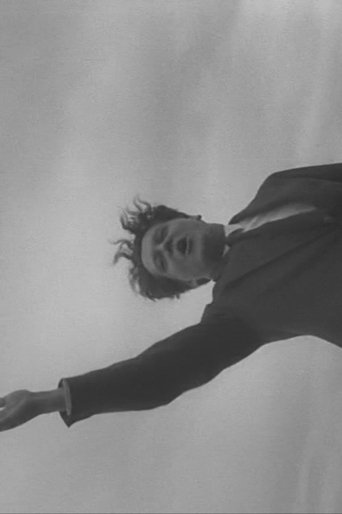
On October 9, 1989, cameras were rolling as a large, determined crowd filled the streets of Leipzig. This film pieces together that day from footage shot by several early eyewitness filmmakers, presenting short, unadorned moments rather than a single narrator's view. It moves among protesters, factory workers, opposition members, policemen, street sweepers and local officials, letting scenes and gestures speak for themselves. The result is an observational record that concentrates on what people said and did in public spaces, giving viewers a sense of how a collective atmosphere built without revealing later developments or outcomes.
Directed by Andreas Voigt and Gerd Kroske, the movie was assembled from contemporaneous material recorded around the October 9 demonstrations and released in 1989, drawing directly on the eyewitness footage as its source.
Commercial box office data for this documentary is scarce, it didn't register as a mainstream commercial release. The film found life through festival screenings, regional showings and archival circulation, so widely reported gross figures are not available.
Leipzig in Autumn is often referenced as an important audiovisual record of the peaceful revolution in East Germany, valued for its immediacy and for preserving raw street-level moments. Its images have surfaced in later historical programs and academic settings, helping shape how that autumn of 1989 is remembered by audiences who want primary-source perspectives rather than retrospective commentary.
Critical reception is measured rather than exuberant, reflected by a user vote average of 6.8 out of 10 on one platform. Viewers and critics tend to note its mosaic approach, the emphasis on multiple viewpoints and the way it highlights ordinary people alongside state actors, raising themes of civic action, social complexity and the everyday mechanics of political change.
Details
- Release Date
- November 24, 1989
- Runtime
- 54m
- User Ratings
- 4 votes
- Type
- Movie
- Genres
- Documentary
- Country
- XG
- Studio
- DEFA-Studio für Dokumentarfilme
- External Links
- View on IMDB