France on a Pebble
France on a Pebble follows the people who call Saint Pierre et Miquelon home, a small community spread across a rugged archipelago off the coast of Newfoundland. The inhabitants describe their homeland as a mere stone in the vast Atlantic, an outpost of France that seems detached from the... Read more
Where to Watch "France on a Pebble"
Not Currently Streaming
This title isn't available for streaming in the US right now.
Not Currently Available On (8 platforms)


Streaming availability last verified: January 14, 2026
About France on a Pebble
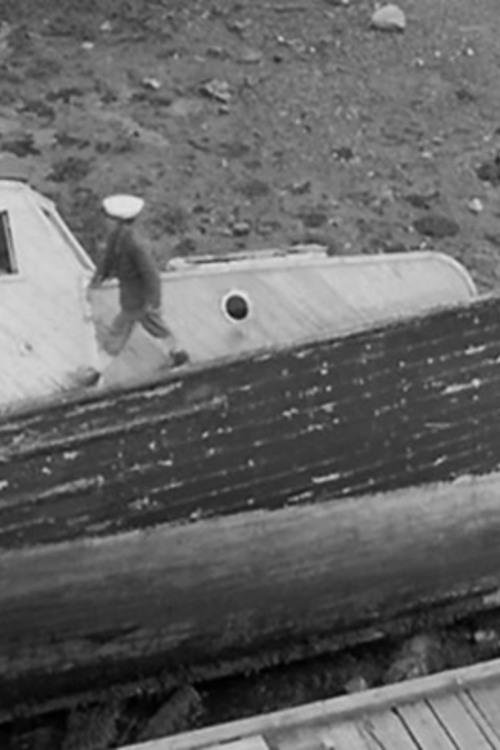
France on a Pebble follows the people who call Saint Pierre et Miquelon home, a small community spread across a rugged archipelago off the coast of Newfoundland. The inhabitants describe their homeland as a mere stone in the vast Atlantic, an outpost of France that seems detached from the mainland and history alike. The film moves in a quiet, observant cadence, letting voices and landscapes build the story rather than a voiced narration. We glimpse markets, schools, family routines, and the sea shaping daily life. Through portraits of elders, laborers, and children, the film sketches how memory, work, and community bind a population to a place that feels both intimate and insular. The camera lingers on weathered buildings nearby.
Directed by Gilles Groulx and Claude Fournier, France on a Pebble was released in 1960 as a straightforward documentary. It offers an original, unadorned portrait of Saint Pierre et Miquelon rather than an adapted narrative, and it uses natural sound, with minimal narration and a focus on natural light.
Box office data for this 1960 documentary is not widely documented, and the film is remembered more for its observational approach and archival value than for any commercial success. Its influence lives in film history rather than in grosses.
Critics recognize its patient, observational style that gives space to everyday life, work, and community rhythms. The film quietly probes how isolation shapes identity, belonging, and memory, portraying a place where distance from the mainland intensifies both connection and difference, yet also fosters resilience and shared culture.
As an early entry in Quebec and Canadian documentary cinema, the film widened audiences for regional life and maritime culture, and it helped establish a tone for later observational films. Its straightforward portraits of island life contributed to regional storytelling and linger in the memory of cinephiles who study the era.
Details
- Release Date
- January 01, 1960
- Runtime
- 29m
- User Ratings
- 1 votes
- Type
- Movie
- Genres
- Documentary
- Country
- Canada
- Studio
- ONF | NFB
- External Links
- View on IMDB