Him, Her, and the Boys
In this 1935 Japanese drama, the lives of a sharp eyed man and a wary woman intersect with a small circle of companions, exposing how affection and pride collide in everyday life. The couple, bound by a quiet tension, finds their private rituals tested by the presence of two young men and a... Read more
Where to Watch "Him, Her, and the Boys"
Not Currently Streaming
This title isn't available for streaming in the US right now.
Not Currently Available On (8 platforms)


Streaming availability last verified: January 14, 2026
About Him, Her, and the Boys
In this 1935 Japanese drama, the lives of a sharp eyed man and a wary woman intersect with a small circle of companions, exposing how affection and pride collide in everyday life. The couple, bound by a quiet tension, finds their private rituals tested by the presence of two young men and a family elder who drift in and out of their modest home. Scenes unfold in intimate settings, with careful composition and a focus on ordinary exchanges rather than sensational twists. The film tracks how social expectations, class cues, and the stubbornness of yet unspoken desire ripple through conversations, meals, and shared space, without offering easy answers. Its camera lingers on small gestures that reveal more than words today.
Released in 1935, the film was directed by Masao Arata and Hiroshi Shimizu, two respected figures in early Japanese cinema. The cast centers on Ken Uehara, Michiko Kuwano, Tomio Aoki and Jun Yokoyama. It showcases early genre blending and mood.
Box office details for this title are not widely documented, reflecting its status as an early era release rather than a modern commercial hit. No widely cited worldwide gross numbers are readily available. Scholarly sources seldom discuss its earnings publicly.
Archivists note its restrained camera language and ensemble structure as an early example of social realism in Japanese cinema, a pattern later echoed in depictions of family life and street interactions during the late 1930s. Its influence is more visible in the lineage of domestic realism that followed for readers.
Critical reception is sparse in public archives, but observers note the film's quiet tone and focus on everyday relationships over melodrama. Its quiet approach invites reflection on why characters keep secrets and boundaries. It continues to be cited by scholars studying prewar gender dynamics. Its influence endures for scholars worldwide.
Details
- Release Date
- May 30, 1935
- Runtime
- 1h 7m
- Type
- Movie
- Country
- Japan
- Studio
- Shochiku
- External Links
- View on IMDB
Cast

Ken Uehara
Man
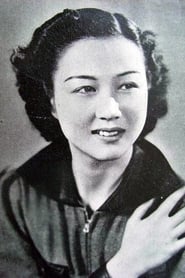
Michiko Kuwano
Woman
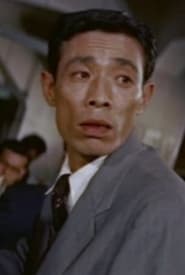
Tomio Aoki
Don-ko
Jun Yokoyama
Tokochibi
Shinobu Aoki
Don-ko's mother

Takeshi Sakamoto
Tokochbi's Father
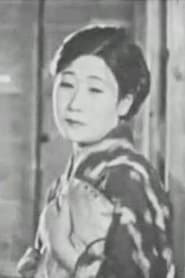
Eiko Takamatsu
Tokochibi's Mother
Chiyoko Katori
Written by: Masao Arata, Hiroshi Shimizu