Home Feeling: Struggle for a Community
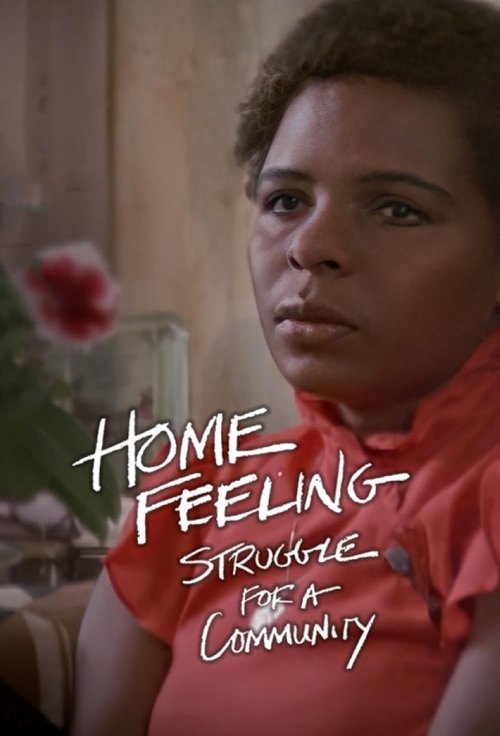
Home Feeling: Struggle for a Community invites viewers into Toronto's Jane-Finch Corridor, a compact six-block district in North York during the early 1980s. Rather than chasing a single dramatic incident, the film keeps the focus on everyday life and the people who live there. It presents a... Read more
Where to Watch "Home Feeling: Struggle for a Community"
Not Currently Streaming
This title isn't available for streaming in the US right now.
Not Currently Available On (8 platforms)


Streaming availability last verified: January 14, 2026
About Home Feeling: Struggle for a Community
Home Feeling: Struggle for a Community invites viewers into Toronto's Jane-Finch Corridor, a compact six-block district in North York during the early 1980s. Rather than chasing a single dramatic incident, the film keeps the focus on everyday life and the people who live there. It presents a neighborhood shaped by subsidized housing, crowded streets, and economic strain, yet it also shows how residents contend with prejudice and tension by looking after one another and organizing around shared needs. Through intimate footage and varied voices, the documentary centers on Black and other visible minority residents as they pursue safer streets, steadier housing, better schools, and a sense of belonging. What emerges is a nuanced portrait of resilience amid hardship.
Produced in Canada and released in 1983, the film was directed by Jennifer Hodge de Silva and Roger McTair. It uses documentary footage to illuminate life in Toronto's Jane-Finch corridor, focusing on housing, race and community dynamics. The crew drew on local volunteers and residents to tell stories in their own words, keeping a candid, observational tone.
Box office figures for this documentary are not publicly documented. The film circulated through university screenings, community centers and film society programs, with a modest, enduring presence in Canadian academic and social-issues circuits rather than a typical commercial release.
Cultural Impact: The film helped push back against stereotypes about Toronto's inner city by centering residents who are Black and from other minority communities. Its intimate portrayal of daily life contributed to debates about urban renewal and representation in Canadian media. It is frequently cited in discussions of early 1980s documentary practices that foreground community voices and social realism.
Reception and themes: Critics welcomed the film for its humane look at a community under pressure and for giving voice to ordinary people. It centers resilience, collective action, and the search for stable housing and schooling as core elements of a hopeful future. The work invites viewers to rethink what urban life looks like when people organize across divides.
Details
- Release Date
- July 13, 1983
- Runtime
- 56m
- Type
- Movie
- Genres
- Documentary
- Country
- Canada
- Collection
- Jane-Finch
- Studio
- ONF | NFB
- External Links
- View on IMDB