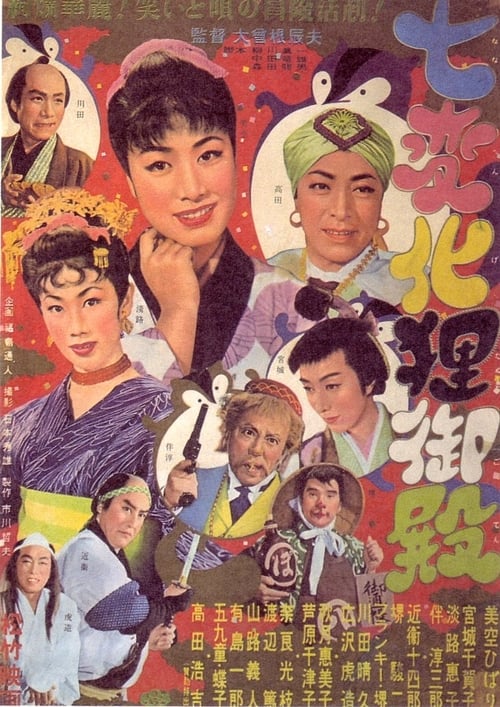
Quick Change Tanuki Palace
Quick Change Tanuki Palace unfolds in a lush, dreamlike realm inhabited by tanuki, mischievous shapeshifters who blur the line between magic and everyday life. A rival faction known as the Bat Tribe from a neighboring land seizes a young tanuki prince and invades a sacred temple, aiming to abduct... Read more
Where to Watch "Quick Change Tanuki Palace"
Not Currently Streaming
This title isn't available for streaming in the US right now.
Not Currently Available On (8 platforms)


Streaming availability last verified: January 22, 2026
About Quick Change Tanuki Palace
Quick Change Tanuki Palace unfolds in a lush, dreamlike realm inhabited by tanuki, mischievous shapeshifters who blur the line between magic and everyday life. A rival faction known as the Bat Tribe from a neighboring land seizes a young tanuki prince and invades a sacred temple, aiming to abduct a revered Buddhist saint. The tale streams like a vivid fable where whimsy masks a deeper struggle for autonomy and honor. Rich colors, music, and folkloric humor mingle with sly satire as characters maneuver through shifting loyalties and prophecies, inviting viewers to question what is real and what is born of desire. The mood flickers between wonder and danger, keeping things mysterious rather than predictable. A hint of fate threads through.
Directed by Tatsuo Ōsone, this 1954 Japanese fantasy draws on the visions of Tatsuo Morita, Tatsuo Nakada and Shin'ichi Yanagawa. The production features Hibari Misora as Ohana, with Chikako Miyagi and Keiko Awaji in supporting roles, and playful creature design.
Box office information for Quick Change Tanuki Palace is not readily available in public records. If it did screen abroad, data remains scarce. The film's reputation today rests more on its cast and place in postwar fantasy cinema than grosses.
Although not widely documented outside Japan, the film sits in the lineage of postwar fantasies that mix folklore with stagey spectacle. Tanuki trickster figures and a saint motif evoke traditional tales while addressing ideas of power and resilience. Hibari Misora's cross media fame helps the film reach wider audiences today.
Reception and themes center on captivity and autonomy, the tension between illusion and reality, and the lure of myth in shaping desire. The lush visuals and brisk pace invite wonder, while the satire quietly questions authority and the cost of power. The themes linger and invite reflection beyond the film.
Details
- Release Date
- December 29, 1954
- Runtime
- 1h 39m
- Type
- Movie
- Country
- Japan
- Studio
- Shochiku
- External Links
- View on IMDB
Cast

Hibari Misora
Ohana

Chikako Miyagi
Kotaro

Keiko Awaji

Junzaburō Ban
Romanov

Jūshirō Konoe
Shimizu no Jirocho
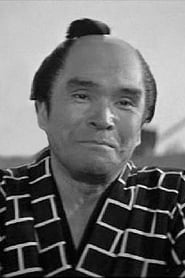
Shunji Sakai
Ponkichi

Frankie Sakai
Jazz Tanuki
Haruhisa Kawada
Miyakodori Kichibei
Torazo Hirosawa
Mori no Ishimatsu

Yoshito Yamaji
Tarobei
Director: Tatsuo Ōsone
Written by: Shin'ichi Yanagawa, Tatsuo Nakada, Tatsuo Morita