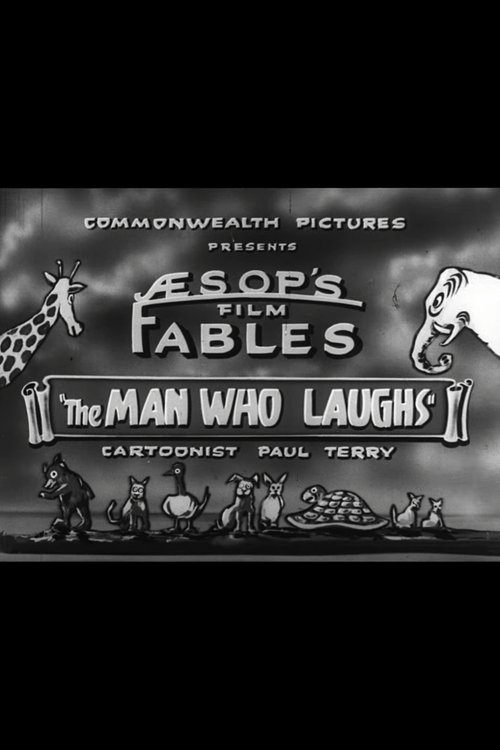
The Fable of the Man Who Laughs
Farmer Alfalfa is driving his donkey cart when a mishap leaves him dazed, and a local doctor prescribes a curious remedy: shout "HOO-RAY" whenever trouble appears. After the accident Alfalfa seems only able to respond with that single shouted exclamation, which turns everyday mishaps into a... Read more
Where to Watch "The Fable of the Man Who Laughs"
Not Currently Streaming
This title isn't available for streaming in the US right now.
Not Currently Available On (8 platforms)


Streaming availability last verified: January 14, 2026
About The Fable of the Man Who Laughs
Farmer Alfalfa is driving his donkey cart when a mishap leaves him dazed, and a local doctor prescribes a curious remedy: shout "HOO-RAY" whenever trouble appears. After the accident Alfalfa seems only able to respond with that single shouted exclamation, which turns everyday mishaps into a steady stream of comic beats. The short plays out as a sequence of physical jokes and escalating misunderstandings, with the protagonist repeatedly meeting minor perils and reacting in the same exuberant, one-note way. The tone stays light throughout, keeping the focus on visual humor rather than character development or explanation.
Released in 1922, this animated comedy was directed by Paul Terry, a prominent figure in early American animation. As a silent short, it fits into the era's rapid output of gag-driven cartoons aimed at theater programs and general audiences.
There are no records of major awards or nominations tied to this short, which isn't surprising for a brief 1920s cartoon. Formal film awards were rare for animated shorts at the time, and most recognition for animators came later, once industry prizes became common.
As an example of early slapstick animation, the film highlights how simple premises carried entire shorts, relying on timing, sight gags, and a recurring punchline. The single-word prescription, shouted at every misfortune, functions like a cartoon motif that keeps the laughs predictable and rhythmic. While it didn't spawn a well-documented cultural legacy, the piece reflects the period's taste for stock comic characters and quick, repeatable jokes.
Modern critical material is scant, and it hasn't accumulated many contemporary ratings or reviews, registering a 0.0/10 vote average with 0 votes on some databases. Thematically it leans on medicine-as-habit humor and repetitive physical comedy, so viewers today are likely to see it as a quaint, straightforward example of how early animators turned a minimal idea into a short, amusing set piece.
Details
- Release Date
- December 10, 1922
- Runtime
- 6m
- Type
- Movie
- Genres
- Animation, Comedy
- Country
- United States
- Studio
- Aesop's Fables Studio
- External Links
- View on IMDB