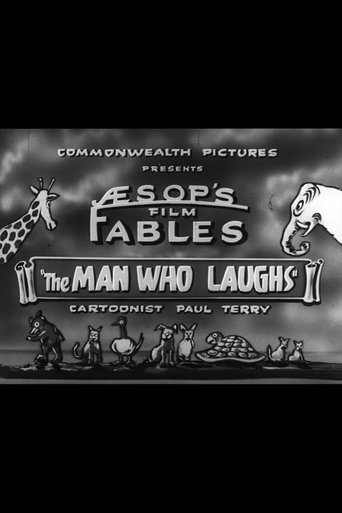
The Great Open Spaces
The Great Open Spaces presents a string of short silent fables where talking animals confront simple moral choices against spare backdrops. Rather than a single continuous plot, the film bundles quick scenes that hinge on wit, caution, and cleverness, all drawn from Aesop's tradition. Visual... Read more
Where to Watch "The Great Open Spaces"
Not Currently Streaming
This title isn't available for streaming in the US right now.
Not Currently Available On (8 platforms)


Streaming availability last verified: January 14, 2026
About The Great Open Spaces
The Great Open Spaces presents a string of short silent fables where talking animals confront simple moral choices against spare backdrops. Rather than a single continuous plot, the film bundles quick scenes that hinge on wit, caution, and cleverness, all drawn from Aesop's tradition. Visual humor drives the action, with exaggerated expressions and blocky shapes conveying character and pacing without spoken dialogue. The landscapes feel broad and uncluttered, giving room for gags to land and for the moral to register. Live accompaniment in theaters would typically cue a light score, supporting timing and mood. Though compact, each vignette invites a clear takeaway about behavior and consequences, in keeping with early educational cartoons.
Directed by Paul Terry, The Great Open Spaces arrived in 1925 as part of the Aesop's Film Fables line. The shorts distill classic fables into brisk visual gags and straightforward lessons, a hallmark of Terry's early animation approach.
Box office figures for this early silent short are not documented. It circulated as a segment within theater programs that combined several shorts and features, common in the mid 1920s, making individual earnings hard to isolate.
Being part of the Aesop's Film Fables, this short helped cement the idea that animation could carry brief moral messages without dialogue. It reflects an era that used animal characters to teach behavior and simple ethics, a thread that runs through later family friendly shorts and cartoons produced by Terry and peers. Its straightforward storytelling paired with visual humor shows how early animators translated fables into moving pictures without voice, adapting to audiences of quick entertainment.
Contemporary records for silent era shorts are sparse, but reviews tended to praise brisk pacing and clear gags that communicate without sound. Thematic emphasis sits on wit over force, on warning against vanity or laxity, and on the idea that choices carry consequences, even in the smallest acts.
Details
- Release Date
- November 21, 1925
- Type
- Movie
- Genres
- Animation
- External Links
- View on IMDB