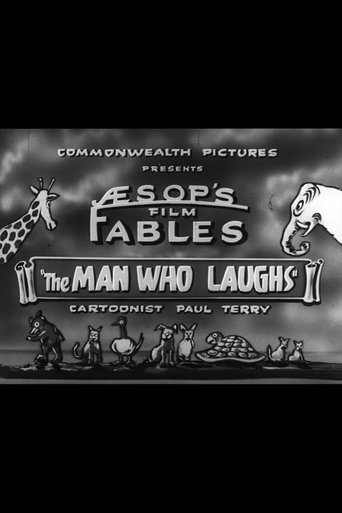
The Pie-Eyed Piper
Pie-Eyed Piper, a 1927 silent cartoon from Paul Terry, belongs to the Aesop's Film Fables line. The short tells a tidy moral tale without dialogue, relying on expressive faces, exaggerated motions, and brisk visual gags to carry the point. In a quaint village, a beguiling trickster and musician... Read more
Where to Watch "The Pie-Eyed Piper"
Not Currently Streaming
This title isn't available for streaming in the US right now.
Not Currently Available On (8 platforms)


Streaming availability last verified: January 14, 2026
About The Pie-Eyed Piper
Pie-Eyed Piper, a 1927 silent cartoon from Paul Terry, belongs to the Aesop's Film Fables line. The short tells a tidy moral tale without dialogue, relying on expressive faces, exaggerated motions, and brisk visual gags to carry the point. In a quaint village, a beguiling trickster and musician wanders in, tempting the townsfolk with clever tricks and flashy promises. What follows is a rapid parade of comic situations that showcase consequences when vanity and credulity trump common sense. The animation emphasizes rhythm and timing, with rubbery limbs and pratfall humor that were hallmarks of the era, delivering a compact, family friendly fable in under a reel. Its humor lands through timing rather than dialogue, with visual cues guiding the viewer.
Directed by Paul Terry, Pie-Eyed Piper is part of the Aesop's Film Fables program released during the silent era of 1927. The short uses simple animation to adapt a classic moral tale into a visual parable for broad everyday audiences.
Box office data for Pie-Eyed Piper from the 1927 period is not widely documented. As with many early shorts, financial figures were rarely preserved, so a precise worldwide gross is not available and records remain sparse and of historical interest.
Reception at the time favored short moral fables that could amuse children while teaching a simple lesson. Pie-Eyed Piper reinforces themes of vanity and gullibility, showing that clever tricks can backfire when people ignore reality in favor of spectacle. Brisk pacing and clear visuals helped convey the message without sound.
Even though it may not be cited as a landmark today, Pie-Eyed Piper sits in the lineage of early animation that used Aesop style tales to entertain and teach. It reflects how silent shorts relied on timing, gesture, and design to communicate morals, a tradition that influenced many later cartoons.
Details
- Release Date
- May 06, 1927
- Type
- Movie
- Genres
- Animation