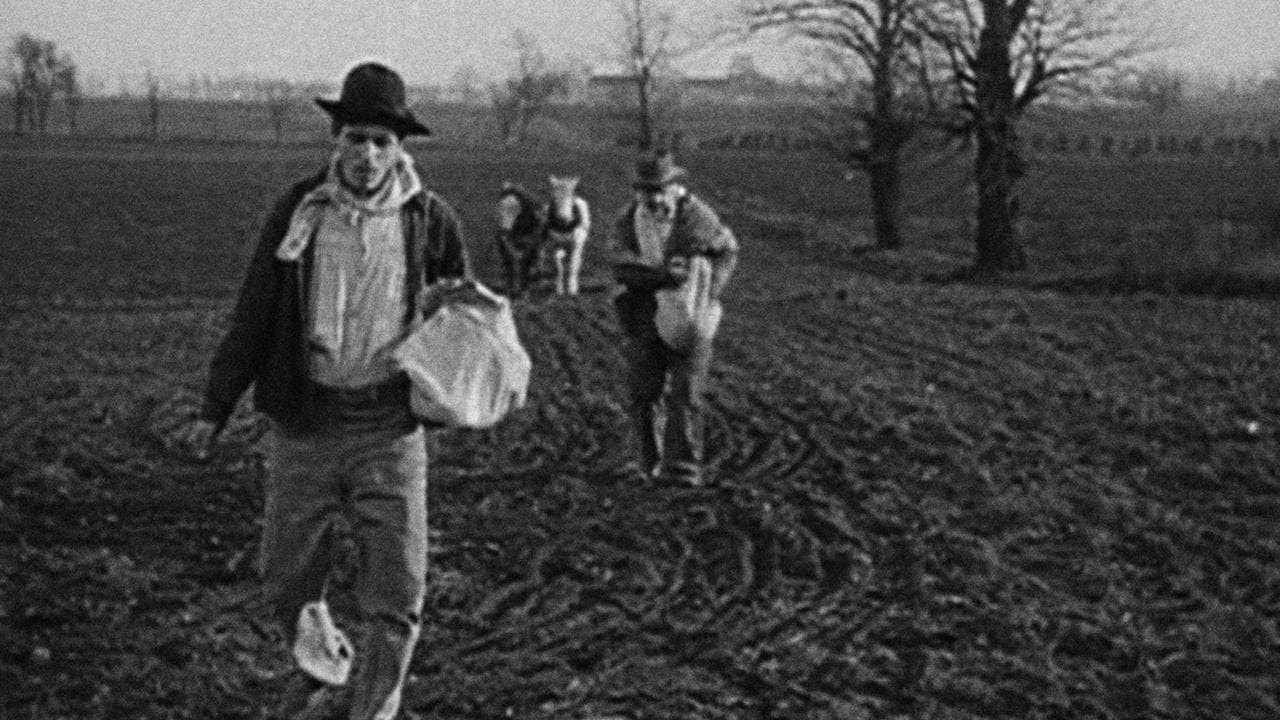

A Corner in Wheat
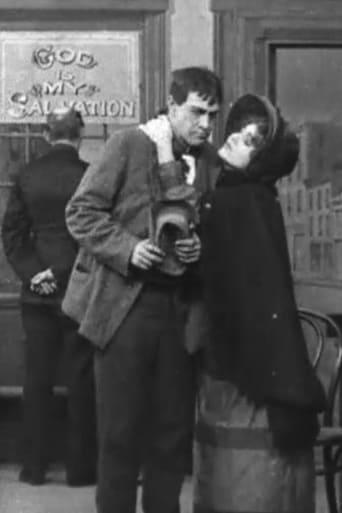
A wealthy speculator decides to corner the wheat market, hoarding grain to drive up prices and treating food like a commodity game. As bread costs climb, small farmers and city dwellers feel the pressure, lining up for charity while the speculator lives in comfort. The film cuts between the... Read more
Where to Watch "A Corner in Wheat"
Not Currently Streaming
This title isn't available for streaming in the US right now.
Not Currently Available On (8 platforms)


Streaming availability last verified: January 14, 2026
About A Corner in Wheat
A wealthy speculator decides to corner the wheat market, hoarding grain to drive up prices and treating food like a commodity game. As bread costs climb, small farmers and city dwellers feel the pressure, lining up for charity while the speculator lives in comfort. The film cuts between the everyday labor of those who plant and harvest and the detached world of the man who profits from their toil, showing consequences rather than delivering a moral lecture. Its story moves plainly and economically, relying on visual contrast and short scenes to make its argument without revealing every outcome.
Released in 1909 and directed by D.W. Griffith, the film was adapted for the screen by Frank E. Woods from material by novelist Frank Norris, an author known for writing about commerce and social conflict.
As an early cinematic critique of market speculation, the picture helped popularize editing that places contrasting images side by side, especially shots of poverty intercut with shots of wealth. Film historians often point to it when tracing how narrative montage began to express social ideas, and it remains a reference point in discussions of class in silent cinema.
Modern viewers and scholars tend to study the film for its technique and purpose rather than its surface drama. It holds a modest audience rating, around 6.1 out of 10, reflecting interest from historians and silent film fans. Themes of greed, class tension, and the human cost of speculation come through clearly, and the acting and production values read as products of early cinema rather than later standards.
There were no major industry awards for films in 1909, so the title never competed for prizes of the kind that exist today. Its recognition has been academic and historical, showing up in retrospectives and film studies as an influential short that helped shape how cinema could argue about economics and society.
Details
- Release Date
- December 13, 1909
- Runtime
- 14m
- Rating
- NR
- User Ratings
- 107 votes
- Type
- Movie
- Genres
- Drama
- Country
- United States
- Studio
- American Mutoscope & Biograph
- External Links
- View on IMDB
Cast
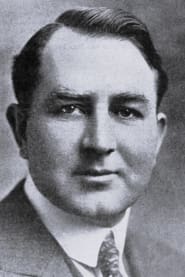
Frank Powell
The Wheat King
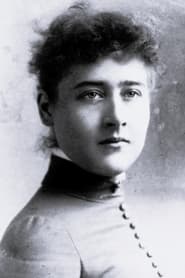
Grace Henderson
The Wheat King's Wife
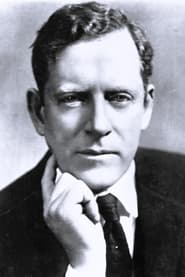
James Kirkwood
Farmer

Linda Arvidson
Farmer's Wife
W. Chrystie Miller
Farmer's Father

Gladys Egan
Farmer's Little Daughter
Henry B. Walthall
Wheat King's Assistant
Kate Bruce
William J. Butler
Charles Craig
Director: D.W. Griffith
Written by: Frank Norris, Frank E. Woods