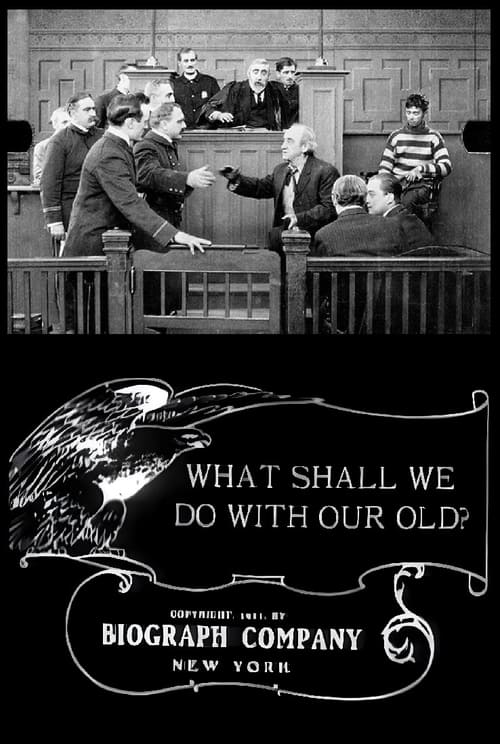
What Shall We Do with Our Old?
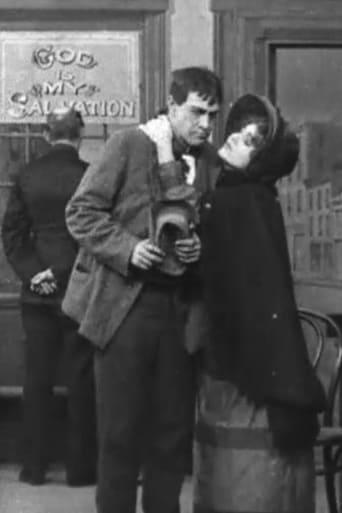
An aging carpenter gets a blunt verdict from a doctor that his wife is gravely ill, and soon after he loses his job when a foreman dismisses him for being too old. With pay gone and work scarce, he struggles to care for his spouse and to keep hope alive as their circumstances worsen. The film... Read more
Where to Watch "What Shall We Do with Our Old?"
Not Currently Streaming
This title isn't available for streaming in the US right now.
Not Currently Available On (8 platforms)


Streaming availability last verified: January 14, 2026
About What Shall We Do with Our Old?
An aging carpenter gets a blunt verdict from a doctor that his wife is gravely ill, and soon after he loses his job when a foreman dismisses him for being too old. With pay gone and work scarce, he struggles to care for his spouse and to keep hope alive as their circumstances worsen. The film follows his quiet deterioration from breadwinner to someone who must cope with humiliation and mounting hardship, showing the strain on the couple and the small indignities he faces from institutions and community figures. The story stays intimate and simple, concentrating on daily survival rather than melodrama or courtroom spectacle.
Released in 1911, the short drama was directed by D.W. Griffith and features W. Chrystie Miller and Claire McDowell in the leading roles, with Adolph Lestina, George Nichols, and Donald Crisp in supporting parts. As a silent-era picture, it reflects the filmmaking style and pacing of Griffith's prolific work at the time.
The film did not receive major awards, which was common for single-reel productions of the period. It hasn't been the subject of modern prize recognition, though it appears in historical surveys of early cinema.
As part of Griffith's output, the picture highlights social concerns about aging, labor, and social responsibility, ideas that were present in several early 20th century shorts. It offers an early cinematic look at how industrial workplaces and public institutions could treat older workers, and it contributes to the period's emerging interest in realistic social subjects.
Modern viewers and some silent-film scholars regard it with mixed feelings, reflected in its modest audience rating. Critics and historians tend to note its straightforward narrative and moral focus, saying it foregrounds themes of dignity, economic insecurity, and familial duty without much overt sentimentality. The performances are plainspoken, and the film is often appreciated for its historical value rather than for technical innovation.
Details
- Release Date
- February 13, 1911
- Runtime
- 14m
- User Ratings
- 8 votes
- Type
- Movie
- Genres
- Drama
- Country
- United States
- Studio
- American Mutoscope & Biograph
- External Links
- View on IMDB
Cast
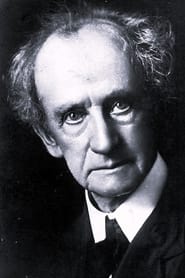
W. Chrystie Miller
The Old Carpenter
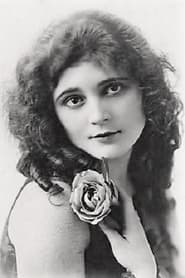
Claire McDowell
The Old Carpenter's Wife
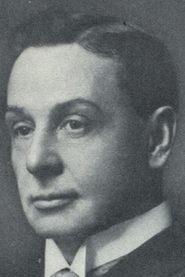
Adolph Lestina
The Doctor
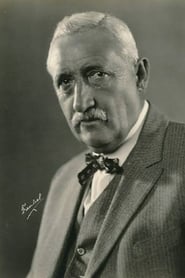
George Nichols
The Judge
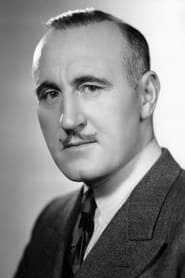
Donald Crisp
Night Court Bailiff
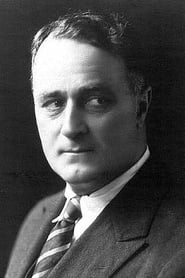
Wilfred Lucas
Violent Jailbird
Alfred Paget
In Shop
Charles West
Supporting Character
Francis J. Grandon
Policeman
Guy Hedlund
Young Carpenter
Director: D.W. Griffith