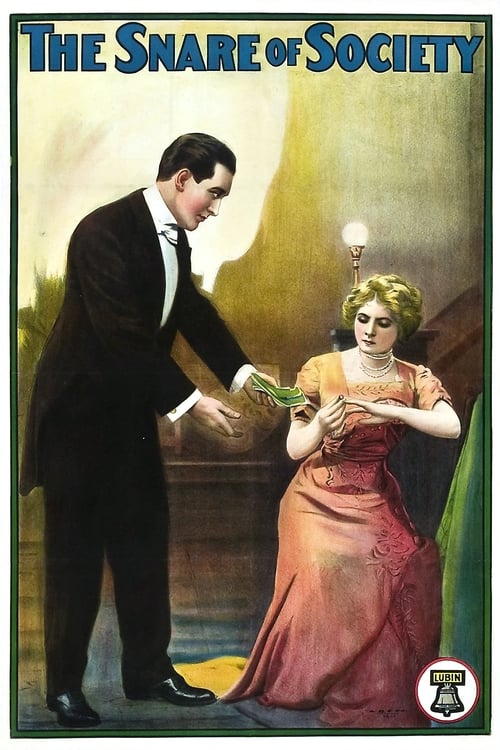
The Snare of Society
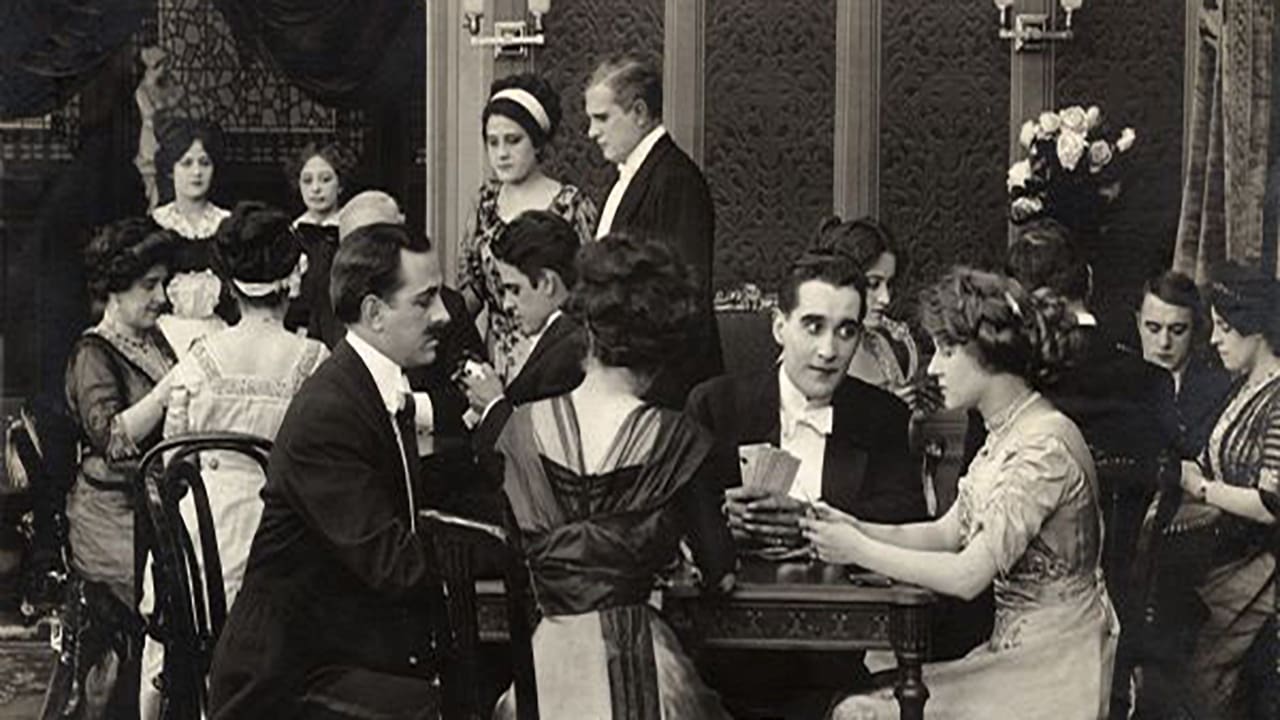
Mary Williams seems to have everything, a comfortable place in society and a solid marriage to Arthur. One evening she plays at a private card game and the stakes quickly go beyond chips, bringing temptation, rivalry and the fragility of reputation into sharp relief. The card table becomes a... Read more
Where to Watch "The Snare of Society"
Not Currently Streaming
This title isn't available for streaming in the US right now.
Not Currently Available On (8 platforms)


Streaming availability last verified: January 26, 2026
About The Snare of Society
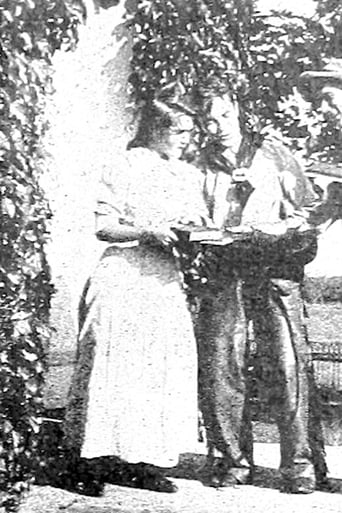
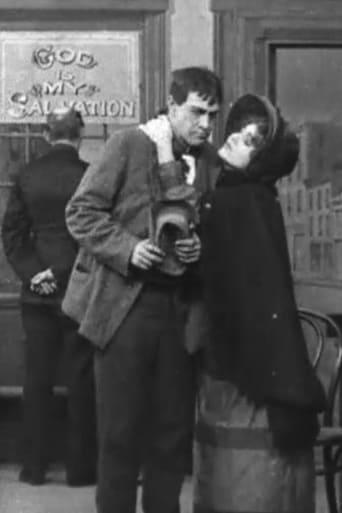
Mary Williams seems to have everything, a comfortable place in society and a solid marriage to Arthur. One evening she plays at a private card game and the stakes quickly go beyond chips, bringing temptation, rivalry and the fragility of reputation into sharp relief. The card table becomes a pressure point, affecting her relationship with Arthur and drawing in Jack Read, who watches the social consequences unfold. The story stays focused on this single episode, letting gestures, glances and social rules carry the tension, and it doesn't reveal how things end until the final moments. Set in a genteel parlor, the card table becomes a stage for subtle shifts in loyalty. Performances rely on gestures, not spoken lines, suggesting consequence.
Released in 1911, The Snare of Society was directed by Harry Solter and stars Florence Lawrence, Arthur V. Johnson and Jack Standing. It's a silent short drama of early cinema, shown in short programs, reaching audiences in short film programs.
No reliable box office records survive for many 1911 shorts, and The Snare of Society has no documented gross. It would have been exhibited as part of short programs and shown in nickelodeons and small theaters across markets back then.
The film's larger legacy rests with its cast, especially Florence Lawrence, who later became known as one of the first screen celebrities. As an early drama it contributes to how cinema portrayed class tensions and women's behavior in front of public and private audiences during the 1910s, and publicity efforts.
Contemporary reviews are scarce, but the movie clearly plays on social anxiety about reputation, temptation and marital trust. Its silent format relies on heightened expression and careful staging, inviting audiences to read class markers and implied moral judgments from small gestures and edited close shots, and staged quite melodramatically.
Details
- Release Date
- July 10, 1911
- Runtime
- 10m
- Type
- Movie
- Genres
- Drama
- Country
- United States
- Studio
- American Mutoscope & Biograph
- External Links
- View on IMDB
Cast

Florence Lawrence
Mary Williams

Arthur V. Johnson
Arthur Williams
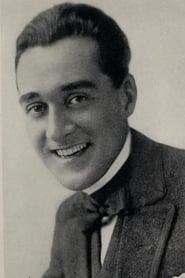
Jack Standing
Jack Read
Director: Harry Solter