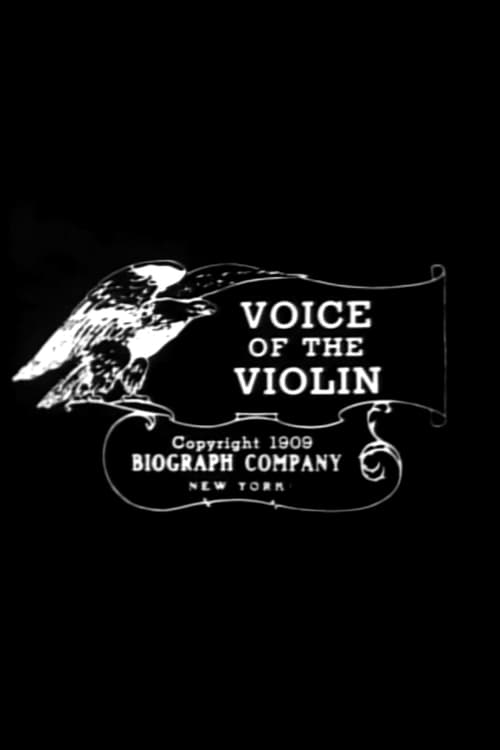
The Voice of the Violin
An earnest music teacher carries a quiet longing for his student Helen, who does not return his affection. When disappointment turns to anger, he crosses paths with an anarchist faction bent on destroying a prosperous household. The plan unfolds as his private ache grows, and he faces a hard test... Read more
Where to Watch "The Voice of the Violin"
Not Currently Streaming
This title isn't available for streaming in the US right now.
Not Currently Available On (8 platforms)


Streaming availability last verified: January 14, 2026
About The Voice of the Violin
An earnest music teacher carries a quiet longing for his student Helen, who does not return his affection. When disappointment turns to anger, he crosses paths with an anarchist faction bent on destroying a prosperous household. The plan unfolds as his private ache grows, and he faces a hard test of conscience. The story threads romance, political radicalism, and the urge to protect innocent lives, all set against a backdrop of early screen drama. The outcome remains a matter of choice rather than fate, inviting viewers to weigh personal desire against social responsibility. The visuals lean on the era's stagey expressiveness. The camera lingers on faces and uses cross cutting sparingly, a hint of the technique he would develop later.
Directed by D. W. Griffith and released in 1909, this early silent drama comes from an original screenplay and shows Griffith's developing talent for shaping mood and tension on screen, plus a hint of his stage roots for its era.
Box office data from 1909 is not documented, so there are no reliable worldwide earnings to report. The film exists primarily as a historical marker for scholars and enthusiasts, and its distribution was limited to nickelodeons and local theaters.
As an early Griffith drama, the film offers a snapshot of the era's moral conflicts and the nascent cinema craft that would influence later melodramas. Its visuals and pacing hint at the director's method changes. It also hints at the theatrical origins of early screen acting and the rapid shift toward cinematic language that would later dominate the industry.
Critics of the day treated it as a compact moral tale, balancing unrequited love with zealotry and social duty. The themes center on personal longing colliding with political fanaticism and the responsibility to protect others from harm, even at a cost in a society on the brink.
Details
- Release Date
- March 18, 1909
- Runtime
- 16m
- Rating
- NR
- User Ratings
- 7 votes
- Type
- Movie
- Genres
- Drama
- Country
- United States
- Studio
- American Mutoscope & Biograph
- External Links
- View on IMDB
Official Trailer
Cast
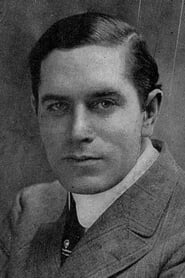
Arthur V. Johnson
Herr von Schmidt
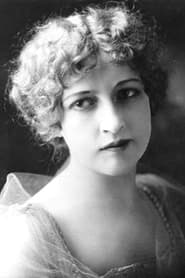
Marion Leonard
Helen Walker
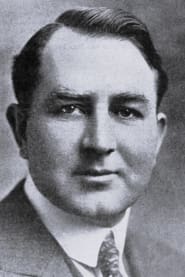
Frank Powell
Mr. Walker
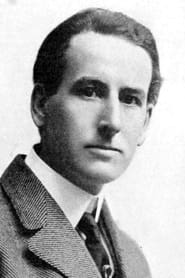
David Miles
Anarchist Leader
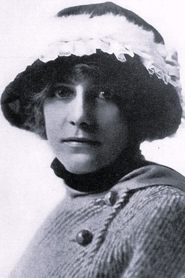
Linda Arvidson
At Party Meeting
Anita Hendrie
Maid
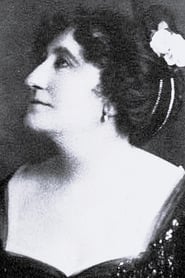
Clara T. Bracy
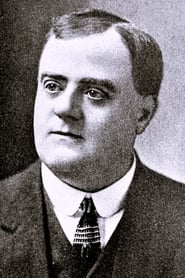
John R. Cumpson
At Party Meeting
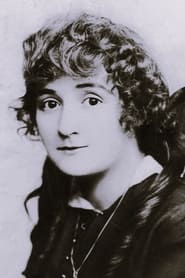
Adele DeGarde
At Party Meeting
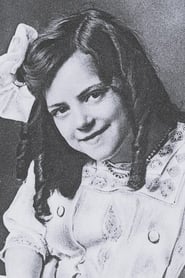
Gladys Egan
Director: D.W. Griffith